The Horse in Contemporary Art: Beyond the Traditional Racing Portrait
For centuries, artists have represented horses through portraiture, mythology, military imagery and sporting scenes. But contemporary artists have inherited the subject without necessarily accepting its traditional rules.
The modern horse can be a symbol of power, technology, identity, memory or even contradiction.
That makes horse racing particularly fertile territory for contemporary art.
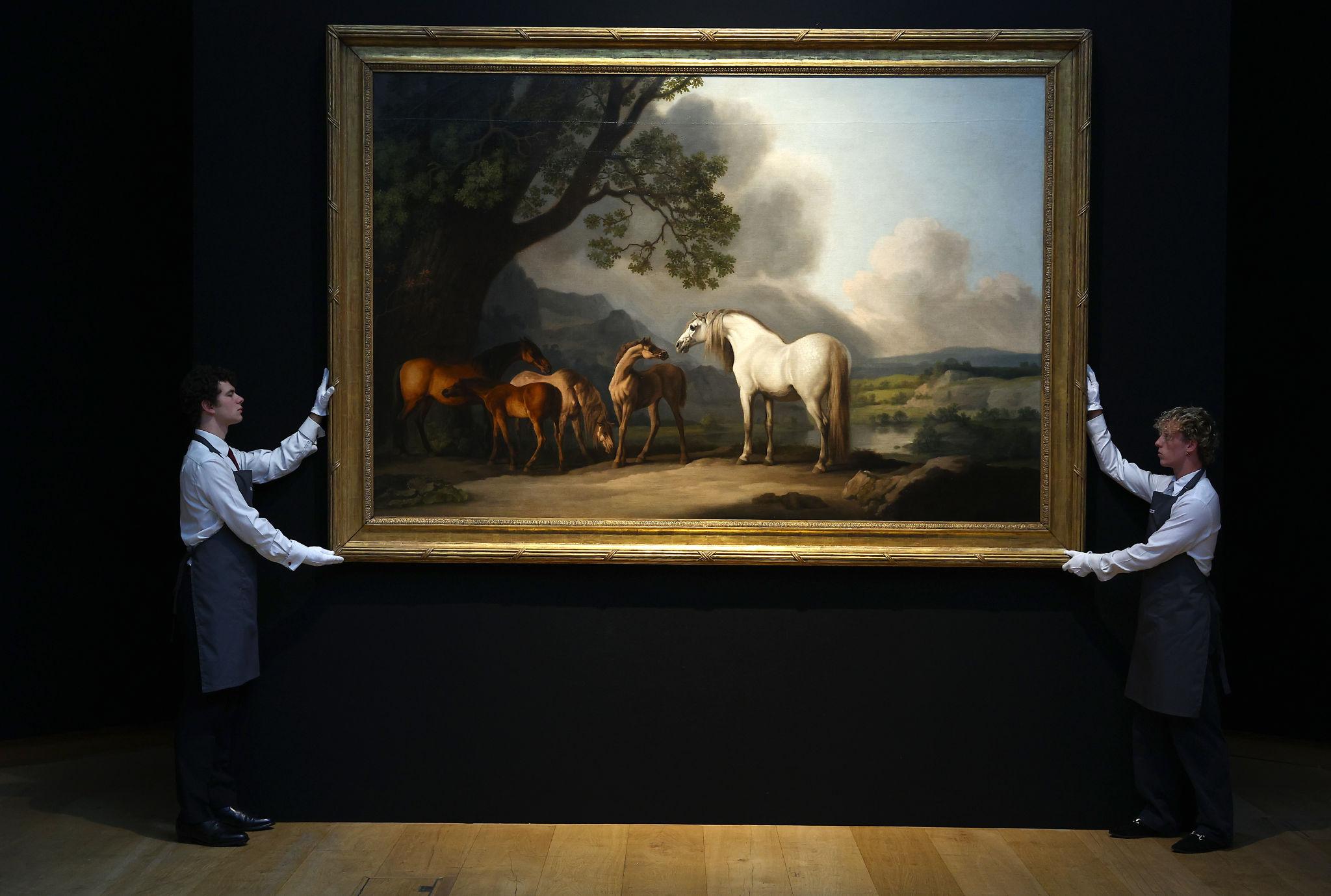
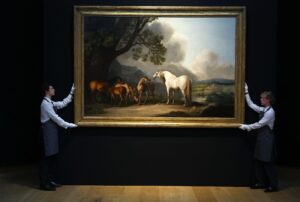
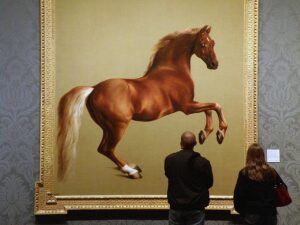
The traditional racing portrait tends to answer a straightforward question: what did this horse look like?
Contemporary art can ask something very different.
What does the horse represent?
What does the relationship between humans and animals say about society?
Why are horses associated with wealth and status?
How has technology changed our understanding of animal movement?
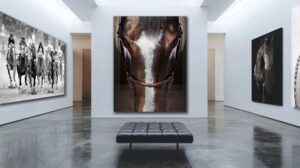
And what happens when an animal traditionally associated with aristocratic culture enters a gallery or contemporary-art context?
These questions extend the horse beyond sporting imagery.
They also reveal why the history of equestrian art remains relevant to contemporary practice.
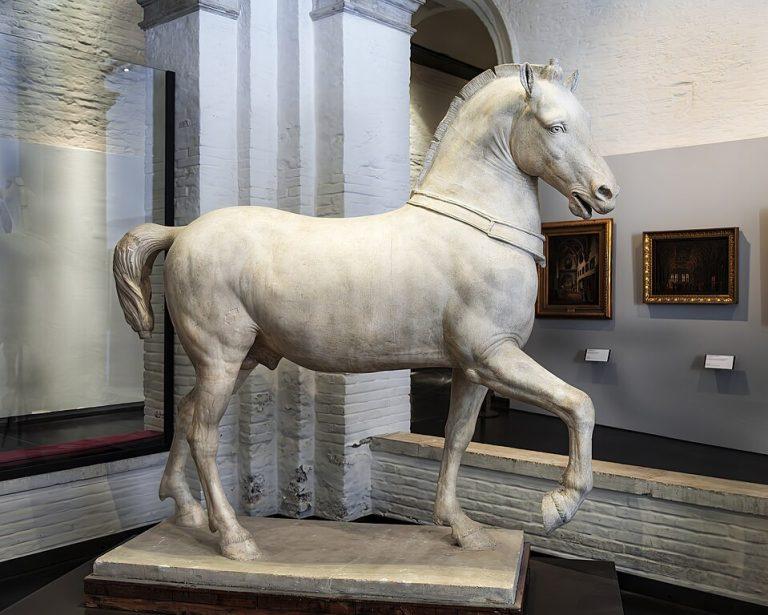
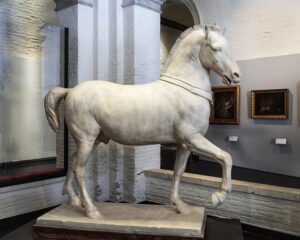
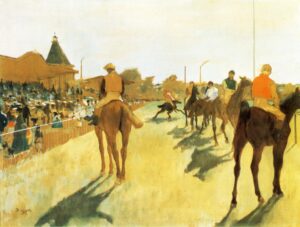
The horse has never belonged to only one culture or artistic movement. Christie’s description of equestrian art across different periods and regions includes artists ranging from Stubbs, Géricault and Degas to Marino Marini, Fernando Botero and contemporary figures.
That diversity demonstrates the flexibility of the subject.
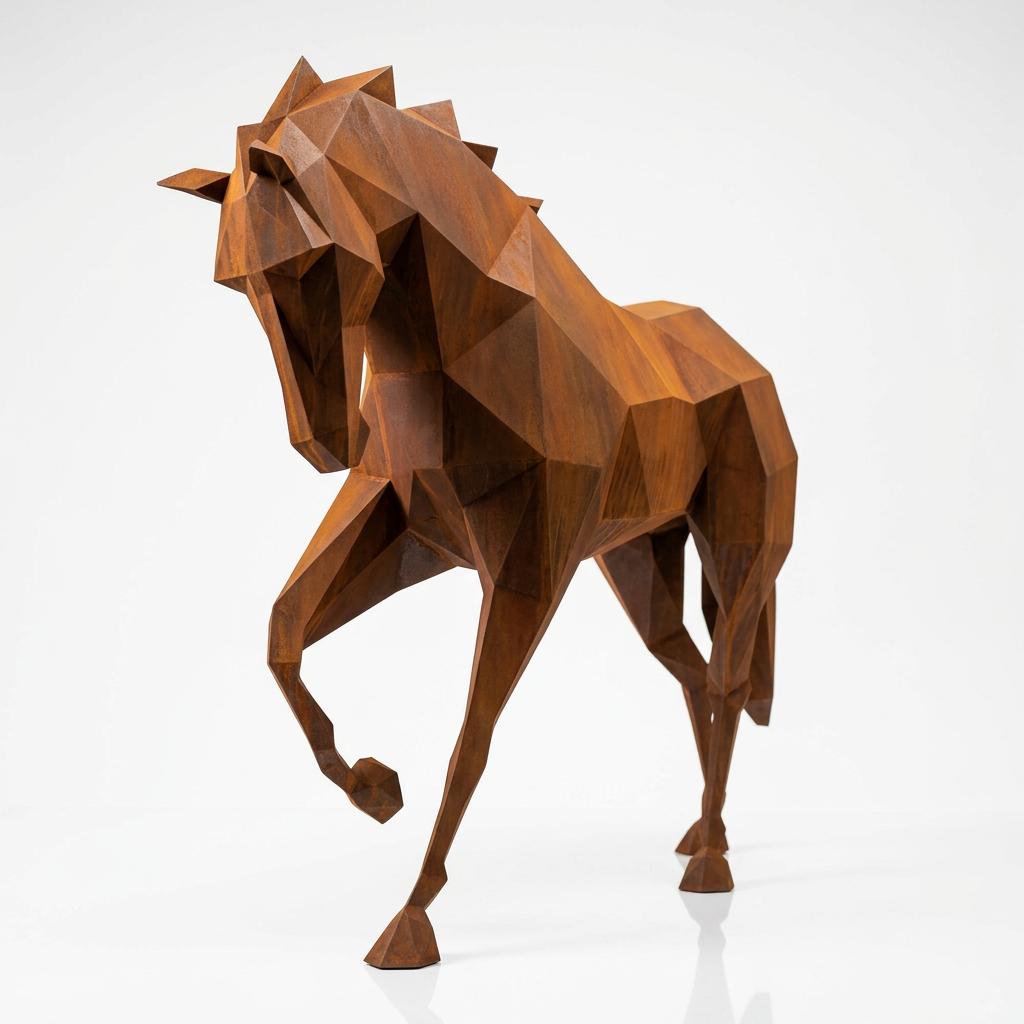
A horse can be realistic or abstract.
It can be monumental or miniature.
It can be painted, photographed, sculpted or digitally constructed.
It can represent elegance in one work and violence or power in another.
Horse racing adds another layer because it places the animal inside an elaborate human system.
The thoroughbred is bred according to carefully managed bloodlines. It is trained, transported, sold, photographed and competed. Its body has an economic value as well as a biological one.
An artist interested in contemporary questions about commerce, identity or human relationships with animals could therefore find racing an unusually rich subject.
Even the language surrounding racing is visually suggestive.
Bloodline.
Pedigree.
Form.
Performance.
Speed.
Condition.
Value.
These are sporting terms, but they also raise questions familiar to the art world.
How is value created?
Who decides what is important?
What makes one individual exceptional?
How does reputation influence price?
These questions connect the racehorse to the broader world of collecting and cultural prestige.
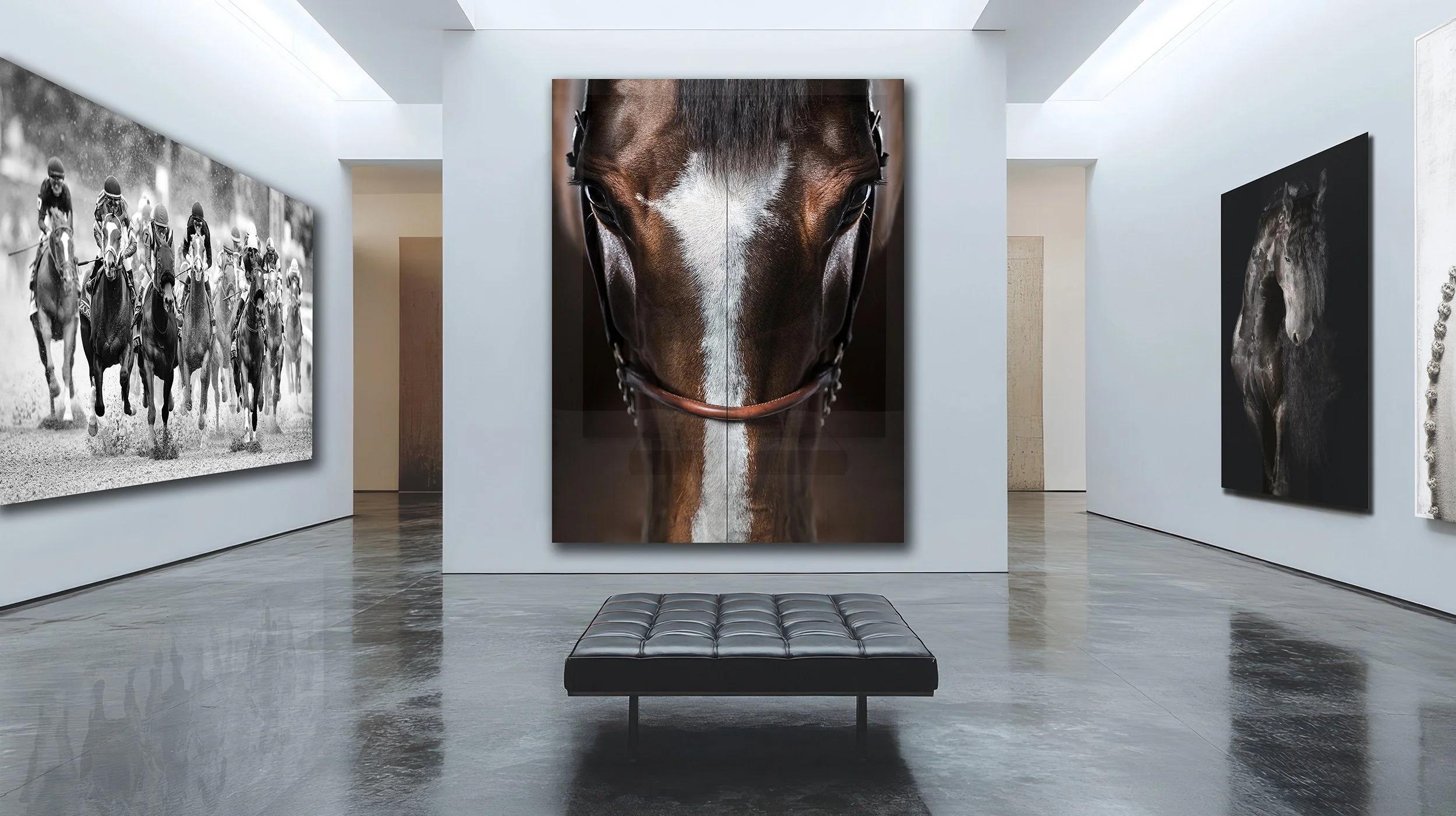
Contemporary art can also challenge the idealised image of the horse.
Instead of showing a magnificent animal in a heroic pose, an artist might focus on stable architecture, discarded racing equipment, training routines or the emotional relationship between humans and animals.
The result may not look like traditional “horse art” at all.
And that is precisely the point.
The horse does not have to appear as a beautiful object to remain an artistic subject.
It can function as an idea.
Horse racing is particularly useful in this context because it contains so many layers: sport, commerce, tradition, spectacle, technology and animal-human relationships.
An artist can choose any one of those layers as a starting point.
The traditional racehorse portrait asked viewers to admire the animal.
Contemporary art can ask viewers to think about it.
That is a very different kind of looking.