When Racing Becomes Memory: The Art of Preserving a Sporting Past
A horse race lasts only a few minutes.
Yet some races remain part of cultural memory for generations.
The reasons are not found only in the results. They exist in photographs, paintings, posters, sculptures, newspaper illustrations, memorabilia and the stories people tell afterwards.
Art can turn a sporting event into something that survives beyond the event itself.
This is particularly important in horse racing because the sport has an unusually strong relationship with history.
A champion racehorse eventually retires. A jockey’s career ends. A race meeting disappears from the calendar.
But the image can remain.
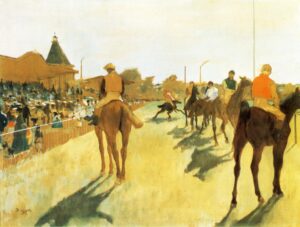
The portrait of a famous horse may become the most enduring representation of its career. A photograph of a dramatic finish can become more familiar than the race itself. A painting can preserve an atmosphere that statistics cannot reproduce.
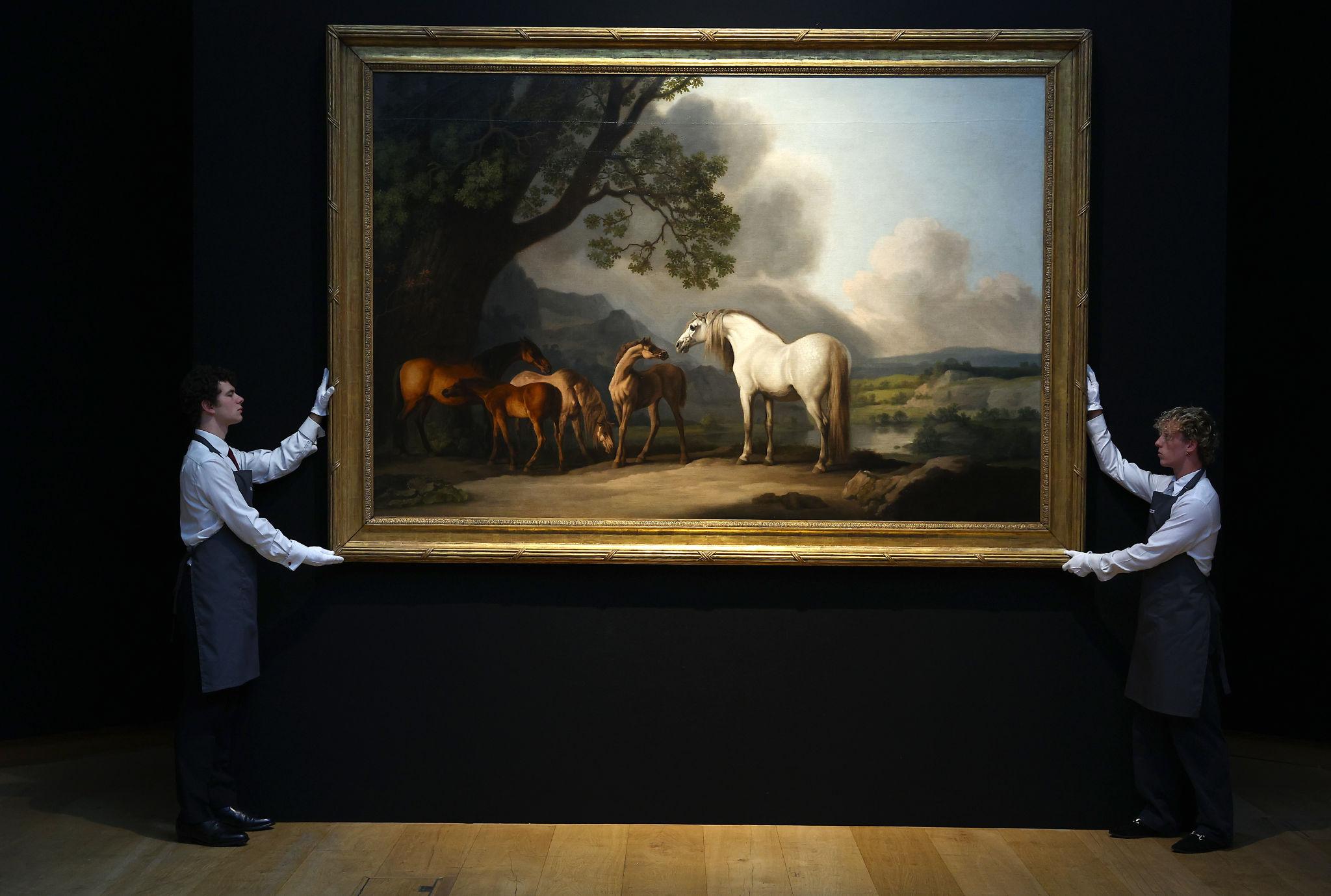
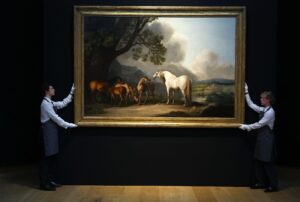
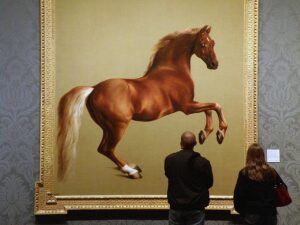
The history of George Stubbs demonstrates this beautifully.
His paintings did not simply record horses; they created enduring visual identities for them. Works depicting individual racehorses and breeding stock preserved the appearance and associations of animals whose original audiences have long disappeared.
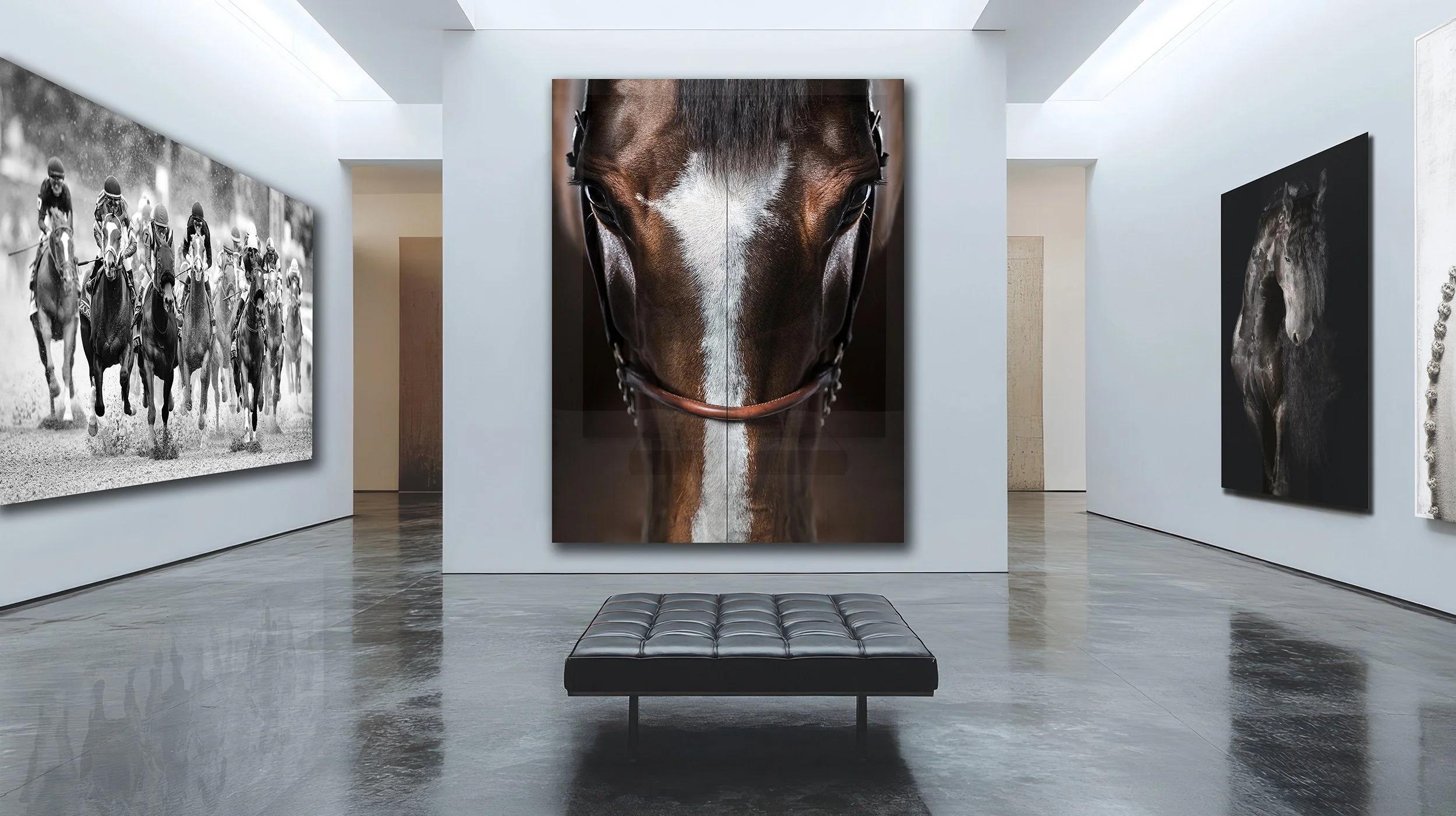
The same principle operates today through photography.
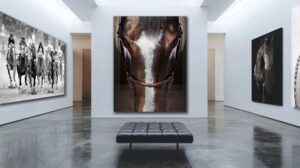
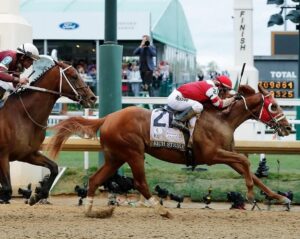
A racing photographer may capture hundreds or thousands of images during a season, but only a handful become part of the sport’s visual memory.
Often, the most important image is not the most technically perfect.
It may be an image that captures emotion.
A jockey celebrating.
A horse returning to the winner’s enclosure.
A trainer watching silently.
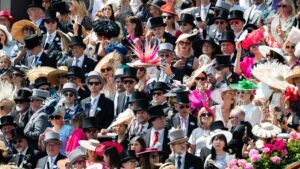
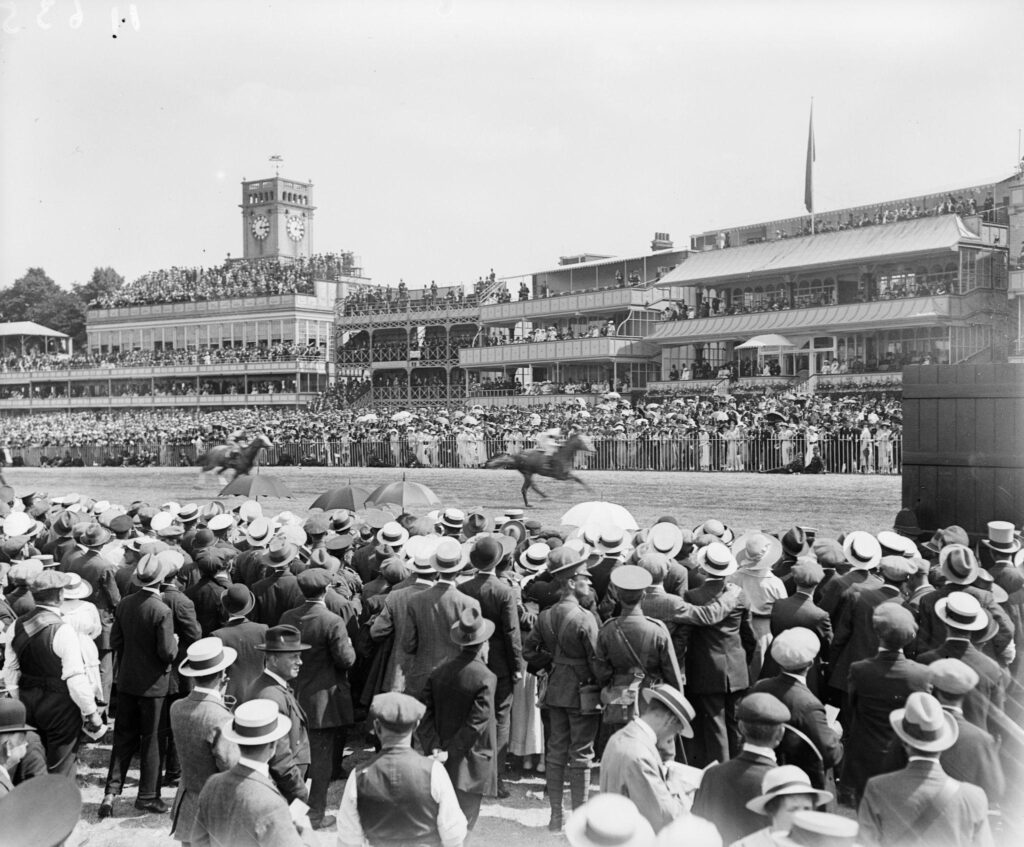
A crowd reacting to an unexpected result.
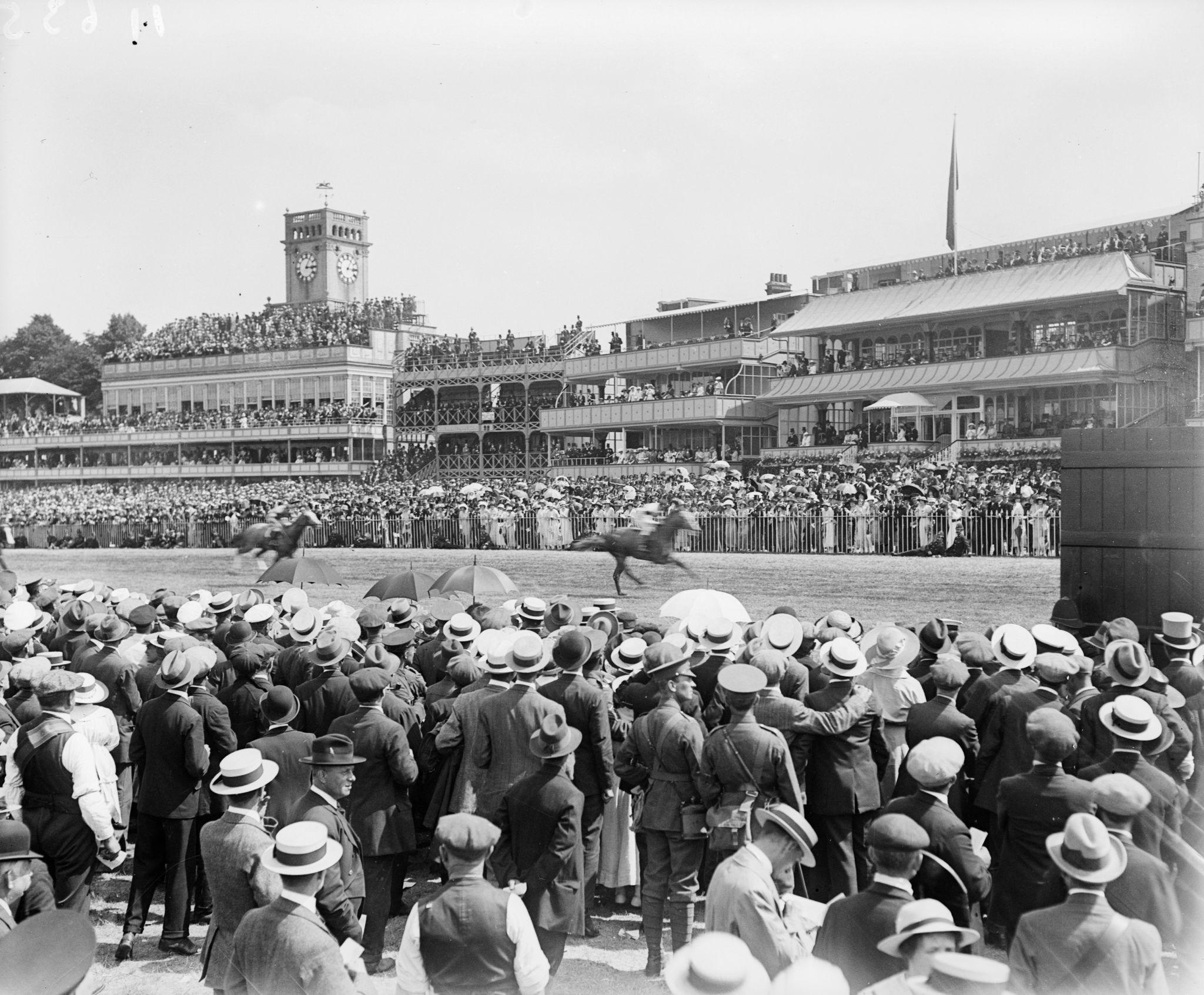
These photographs become historical documents because they show how people experienced the event.
This distinction between documentation and memory is important.
A result tells us what happened.
An image can tell us what it felt like.
That is one of art’s most powerful functions.
The relationship between racing and visual memory also extends to physical objects.
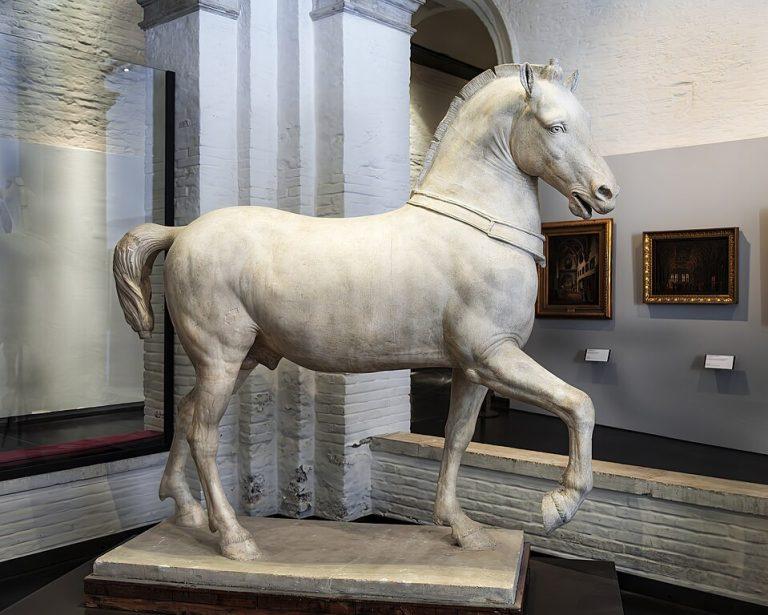
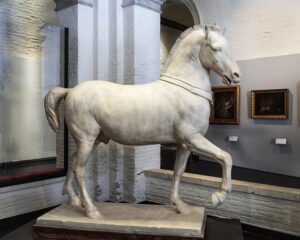
Old racing posters, paintings, photographs, trophies and illustrated programmes can become forms of cultural preservation. They provide evidence of how racing presented itself to different generations.
Design changes.
Fashion changes.
Architecture changes.
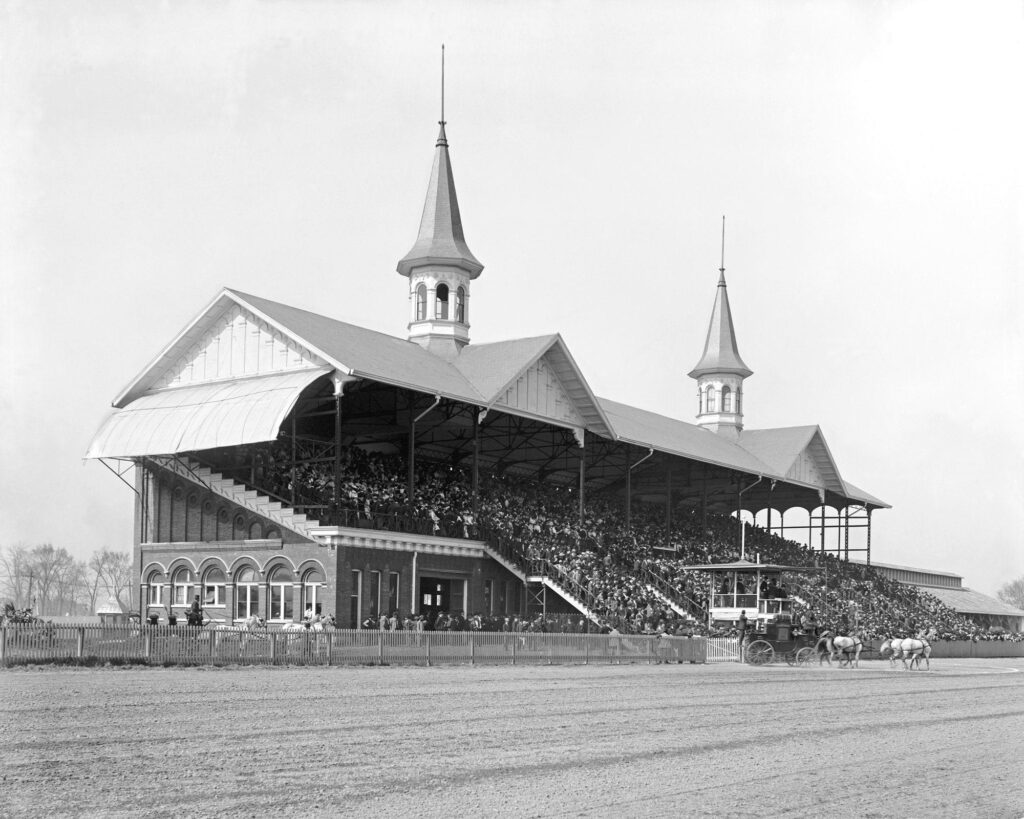
Even the way horses are photographed changes.
The archive therefore becomes a record not only of racing but of society.
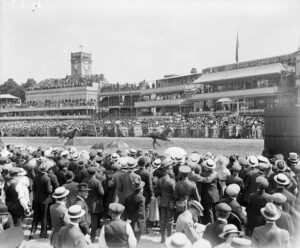
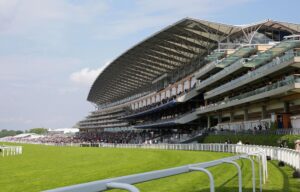
An old race-day photograph can reveal the clothing of spectators, the design of a grandstand, the way crowds gathered and the visual language used by newspapers.
In this sense, racing art can become social history.
The artwork may have been created to celebrate a horse, but decades later it can tell us about an entire culture.
This is why the preservation of racing imagery matters.
Without it, sporting history risks becoming a collection of numbers.
With it, the past becomes visible.
And perhaps that is the deepest connection between racing and art.
Both are concerned with the problem of time.
Racing is about what happens now.
Art is one of the ways we prevent now from disappearing completely.
The horse crosses the finish line.
The crowd moves on.
The track becomes quiet.
But the image remains.
And eventually, the image becomes memory.