The Racehorse as a Work of Art: How Thoroughbreds Became Subjects of Serious Painting
For much of modern history, the racehorse has occupied an unusual position in visual culture. It is an animal, an athlete, a commercial asset and, in many cases, a symbol of wealth and social status. Yet it has also been something else: a legitimate artistic subject.
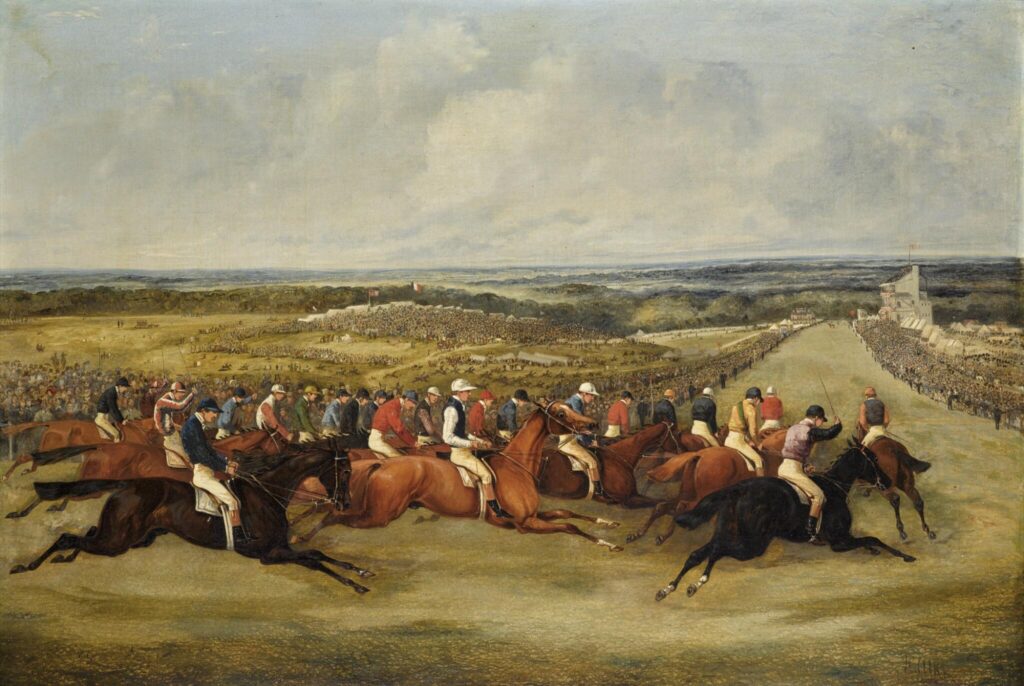
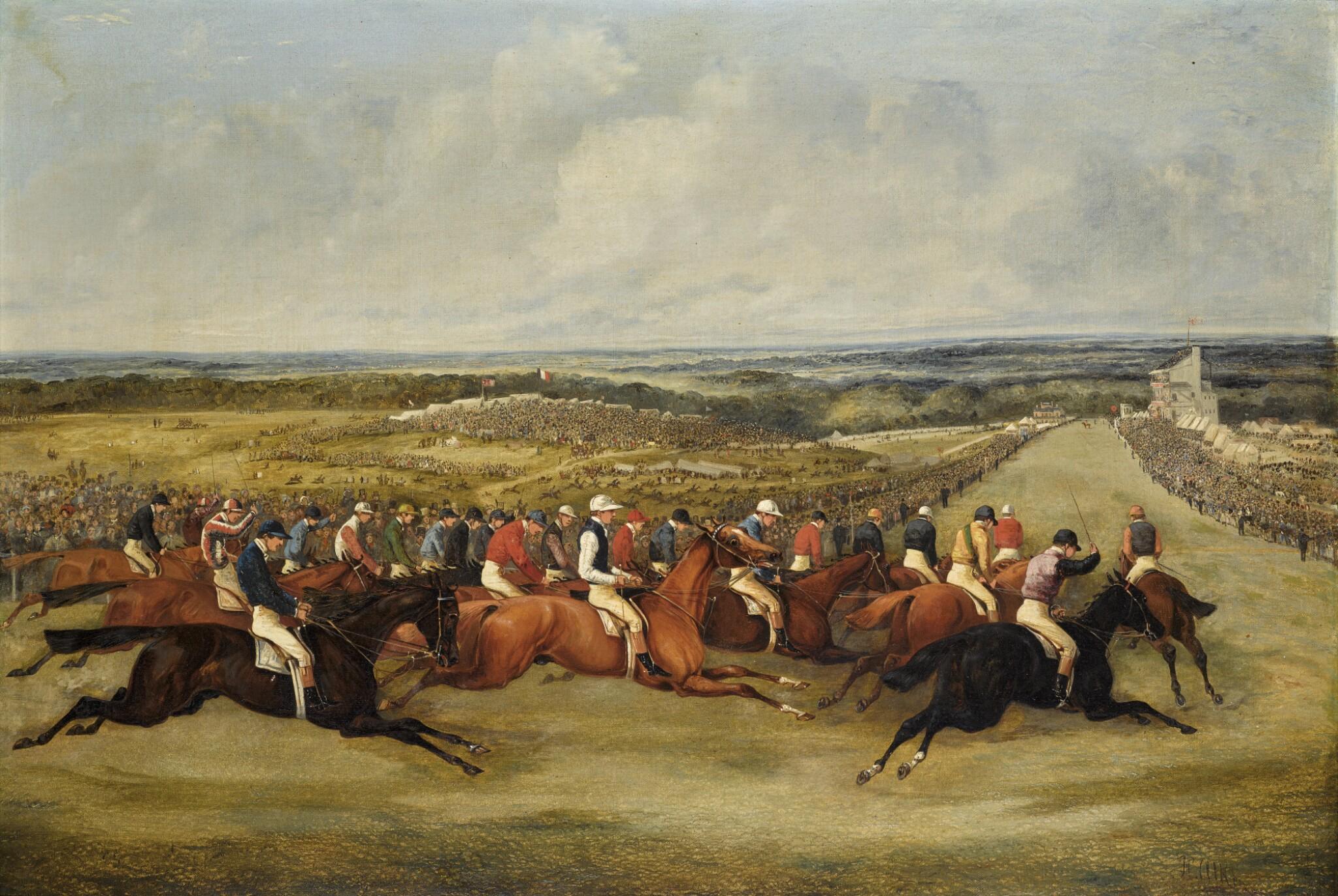
The relationship between horse racing and art is older than modern sports photography, television broadcasts and the enormous commercial industry surrounding contemporary racing. Long before spectators could watch a race replayed in slow motion, artists were attempting to capture what made the thoroughbred visually extraordinary: its proportions, musculature, movement and unmistakable presence.
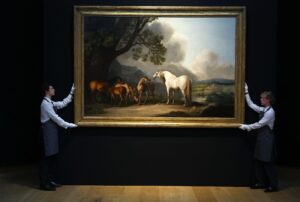
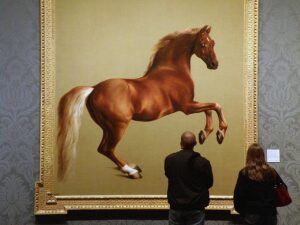
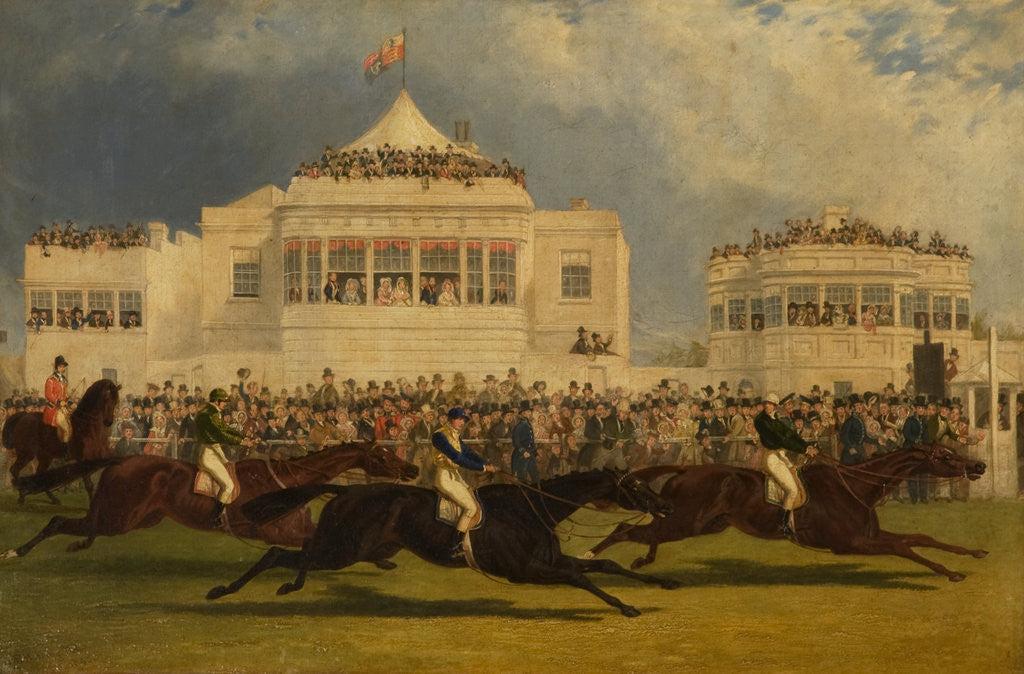
The rise of sporting art in Britain was closely connected with the development of the thoroughbred and the growing popularity of horse racing among wealthy patrons. Artists such as George Stubbs received commissions from owners and breeders who wanted their horses represented on canvas. Christie’s notes that artists including Stubbs and Benjamin Marshall made careers from portraying horses for aristocratic patrons, helping establish horse racing at the centre of the sporting-art tradition.
But these paintings were rarely simple records of an animal.
A successful portrait of a racehorse could communicate ownership, breeding, prestige and personality simultaneously. The horse became a kind of portrait subject, comparable to the commissioned portraits of aristocrats that filled country houses.
George Stubbs understood this particularly well. His knowledge of equine anatomy was unusually detailed. His famous anatomical investigations, eventually published in The Anatomy of the Horse, gave him an understanding of the animal’s physical structure that informed his later paintings. His work helped establish a new standard for depicting horses with anatomical precision as well as individuality.
This distinction is important. Stubbs was not simply painting “a horse.” He was painting a particular horse.
That difference helped transform the animal from background decoration into the principal subject.
The racehorse also provided artists with an unusual combination of visual qualities. A standing thoroughbred offered elegance and controlled geometry; a galloping horse introduced movement and tension. A horse waiting at the starting line could communicate anticipation without requiring the artist to depict the actual race.
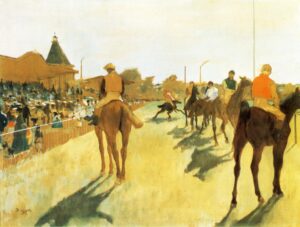
Edgar Degas later approached the subject from a radically different artistic perspective. His interest in racing was tied to his broader fascination with movement, modern life and unconventional compositions. He produced numerous paintings, drawings and sculptures involving horses and jockeys, often concentrating on the moments before or around a race rather than the obvious climax of victory.
This changed the artistic vocabulary of racing.
The racecourse could now become a place of observation rather than merely spectacle. A jockey adjusting his position, a horse shifting its weight or a group of competitors waiting before the start could become worthy of artistic attention.
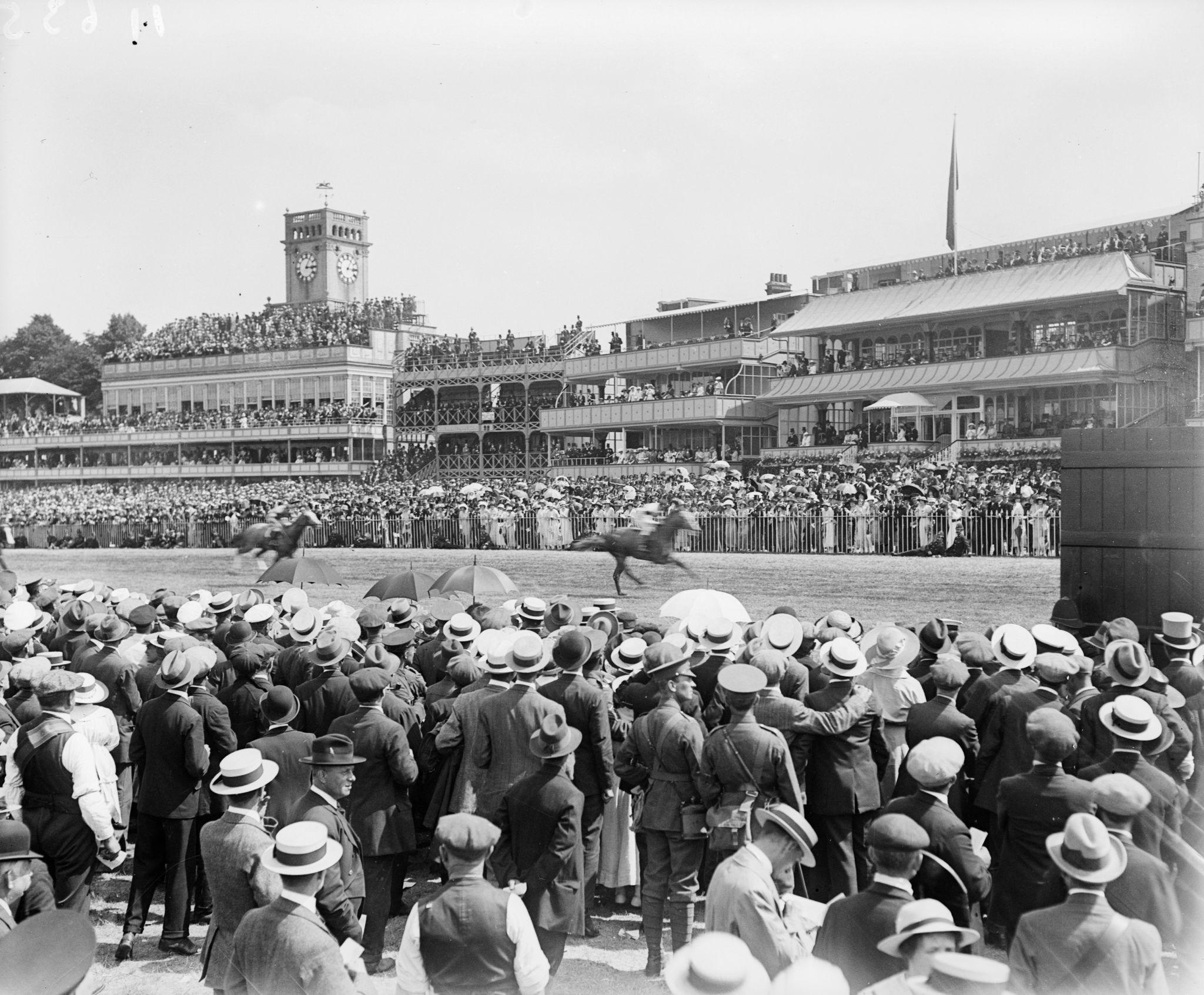
Photography eventually transformed this relationship again. Once cameras could freeze movement, artists no longer needed to rely solely on observation and memory to understand the mechanics of a galloping horse. The relationship between photography and painting became particularly interesting because photographic studies of movement offered artists new ways to think about anatomy and motion. Degas’s later horse sculptures, for example, have been discussed in relation to the sequential photographic studies of horses made by Eadweard Muybridge.
The racehorse therefore sits at an unusual intersection between art and technology.
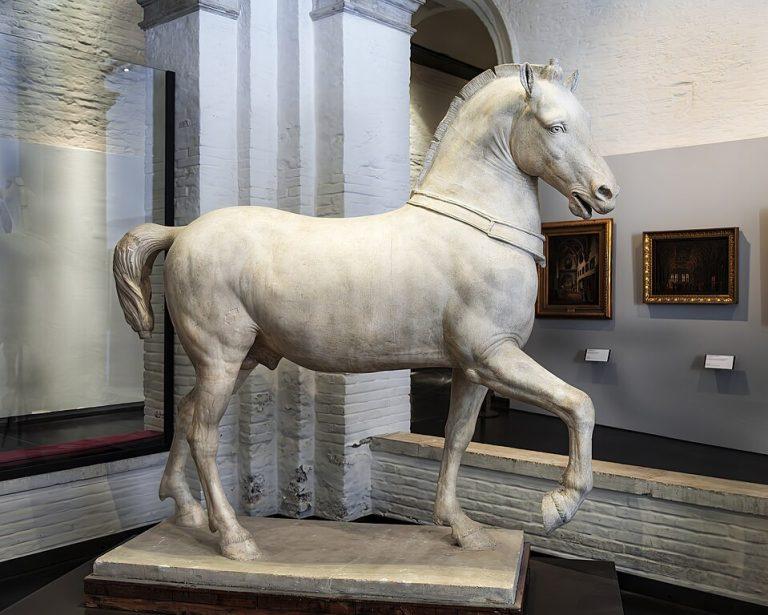
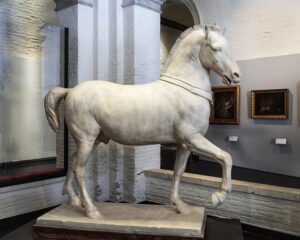
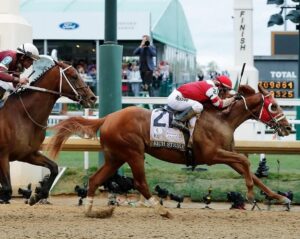
Painting gave the horse individuality. Photography gave it movement. Sculpture gave it physical presence. Film eventually gave it duration.
What began as commissioned portraiture became something much broader.
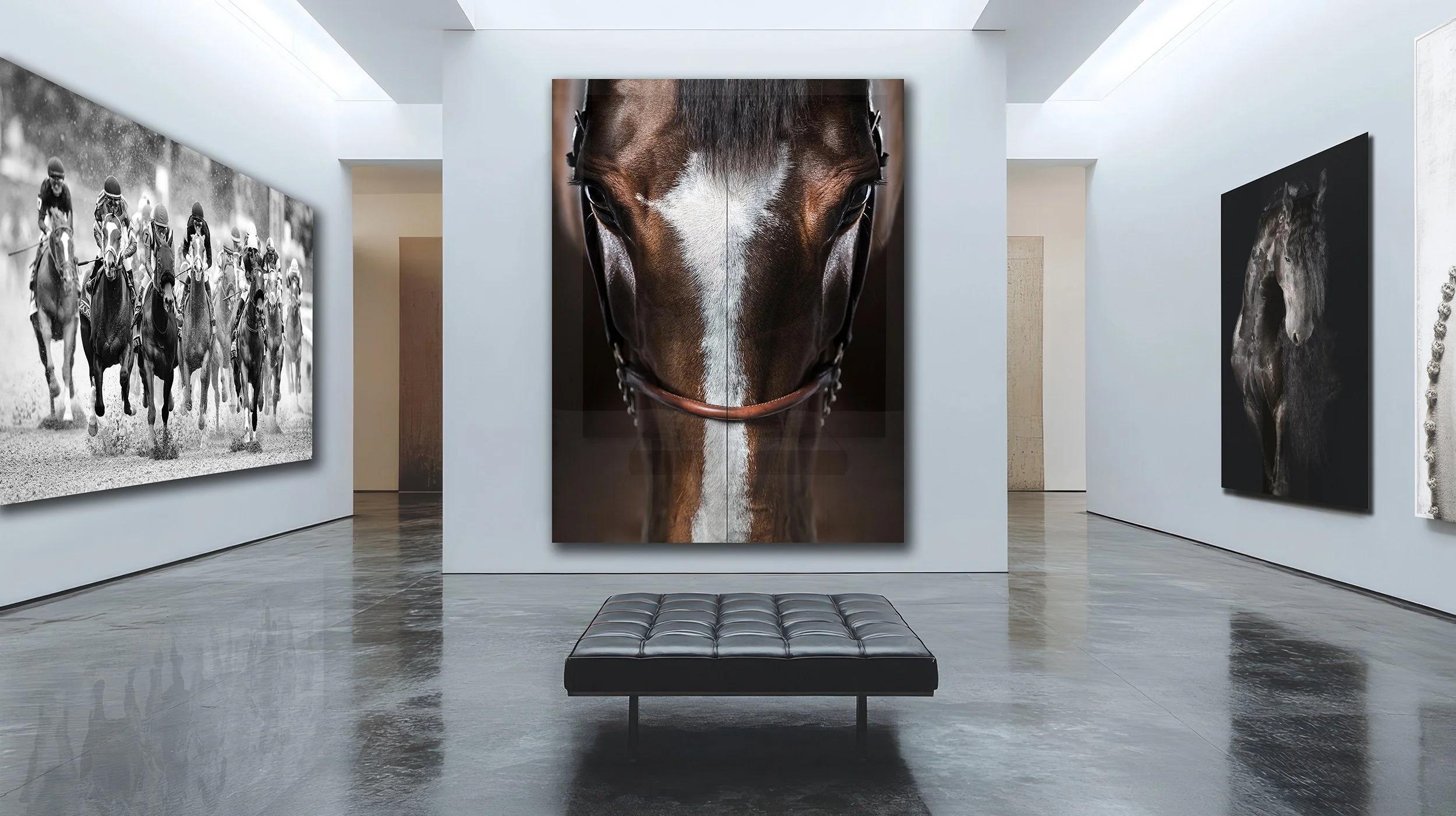
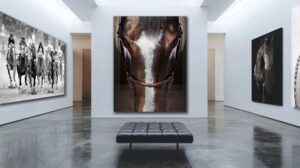
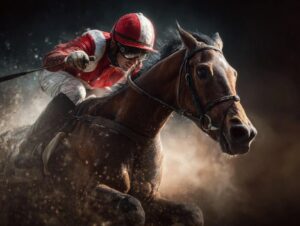
Today, a racehorse can still be represented as a sporting subject, but it can also be interpreted through contemporary photography, sculpture, installation, digital art and conceptual practice. The animal remains visually compelling because the fundamental qualities that attracted artists centuries ago have not disappeared.
Speed is still visually powerful. Anatomy is still fascinating. The relationship between horse and rider remains expressive. And the spectacle of a field moving together continues to produce images that are difficult to forget.
The history of racing art therefore tells us something larger about art itself. Artists repeatedly return to subjects that allow them to explore movement, status, identity and the relationship between humans and animals.
The racehorse happens to offer all four at once.
That may be why it has survived as an artistic subject long after the original patrons who commissioned its portrait have disappeared. The horse was never merely part of the race.
It was part of the picture.