The Art of Racing Photography: Capturing a Horse Between Two Moments
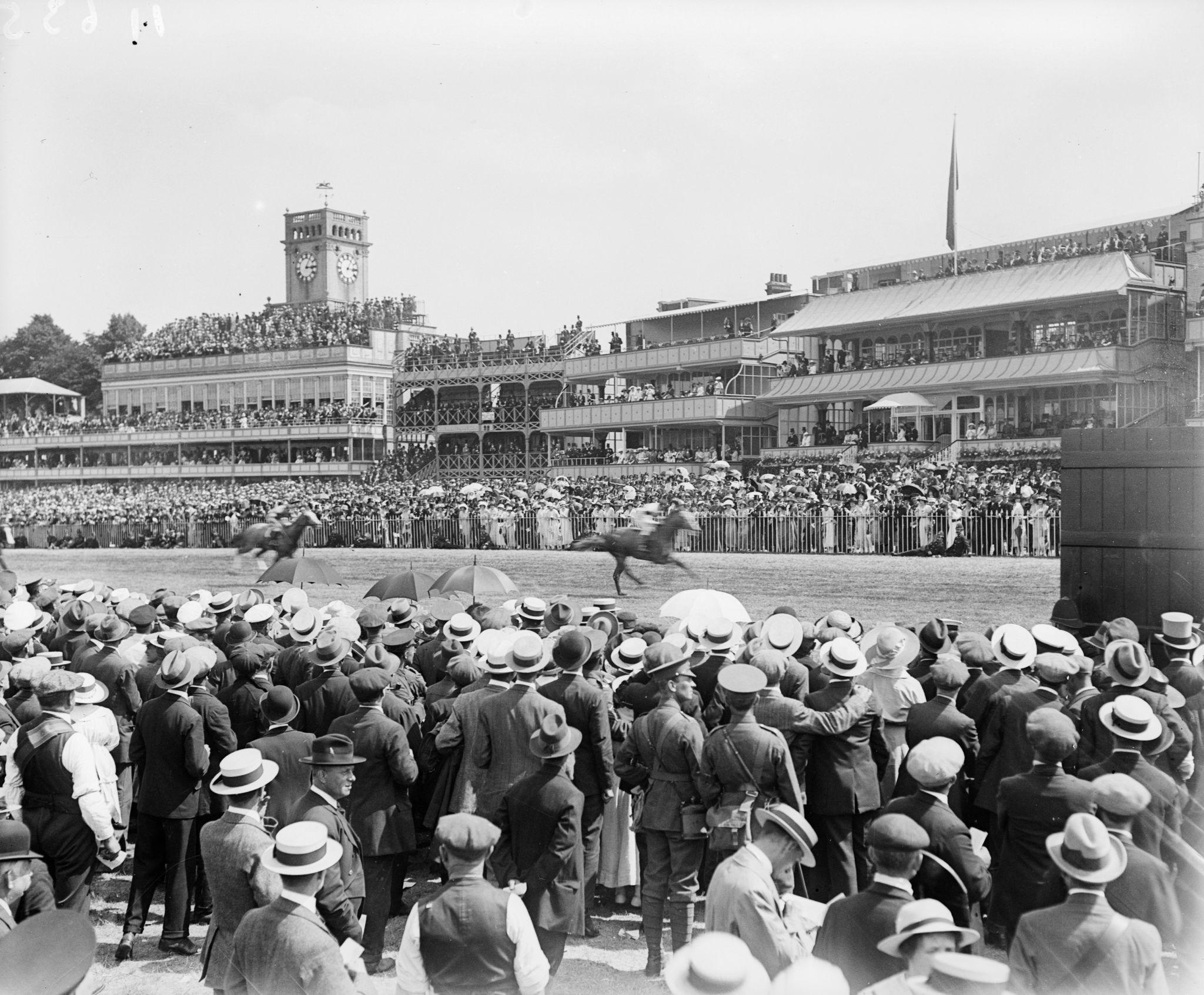
Few sporting subjects present photographers with a greater technical and artistic challenge than a racehorse in motion.
A thoroughbred can cross a significant distance in seconds. Its body changes position constantly. The jockey shifts with the movement of the horse, while the background can transform into a blur of colour and light.
To photograph racing successfully is therefore not simply to press the shutter at the right moment.
It is to understand movement.
Long before digital cameras and high-speed lenses, artists and photographers were already trying to determine exactly how horses moved.
The development of sequential photography in the nineteenth century changed that conversation dramatically. Eadweard Muybridge’s photographic studies of horses helped break movement into individual stages, providing visual evidence that challenged assumptions about equine locomotion.
The impact extended into the arts.
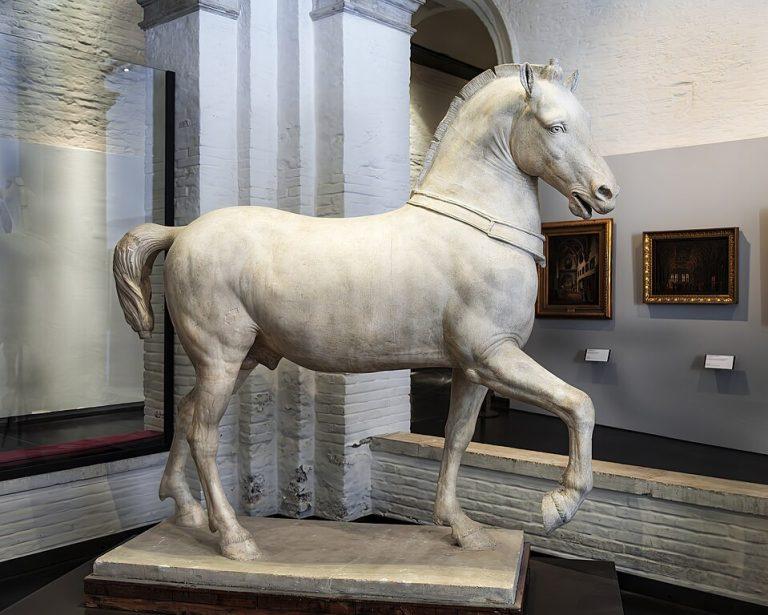
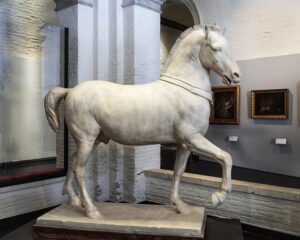
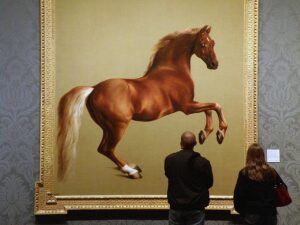
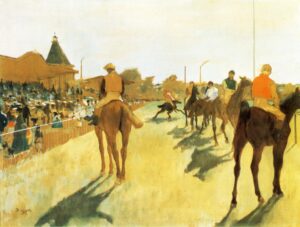
Degas’s equine sculpture, for example, has been discussed in relation to Muybridge’s photographic studies.
Photography therefore did more than document racing.
It changed the way artists thought about it.
A photograph can reveal something the naked eye cannot easily perceive: the exact position of a horse’s legs during a fraction of a second.
Modern racing photography has taken this idea much further.
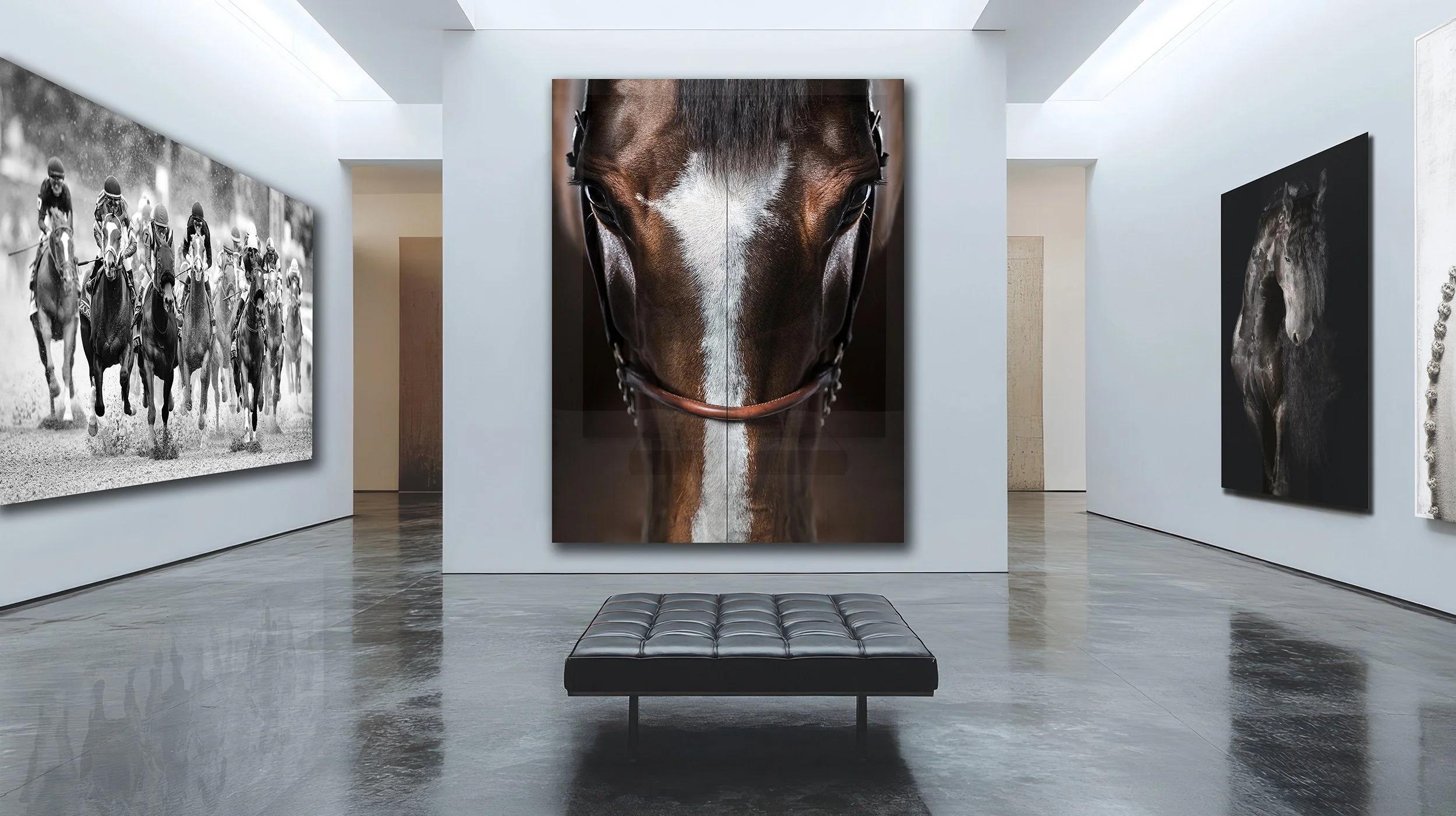
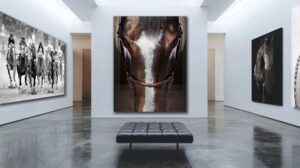
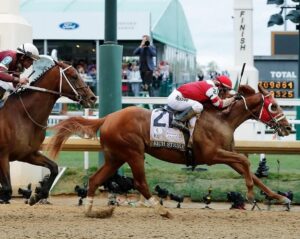
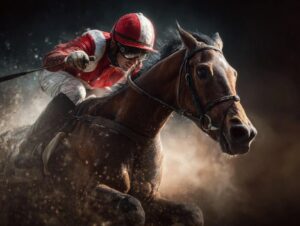
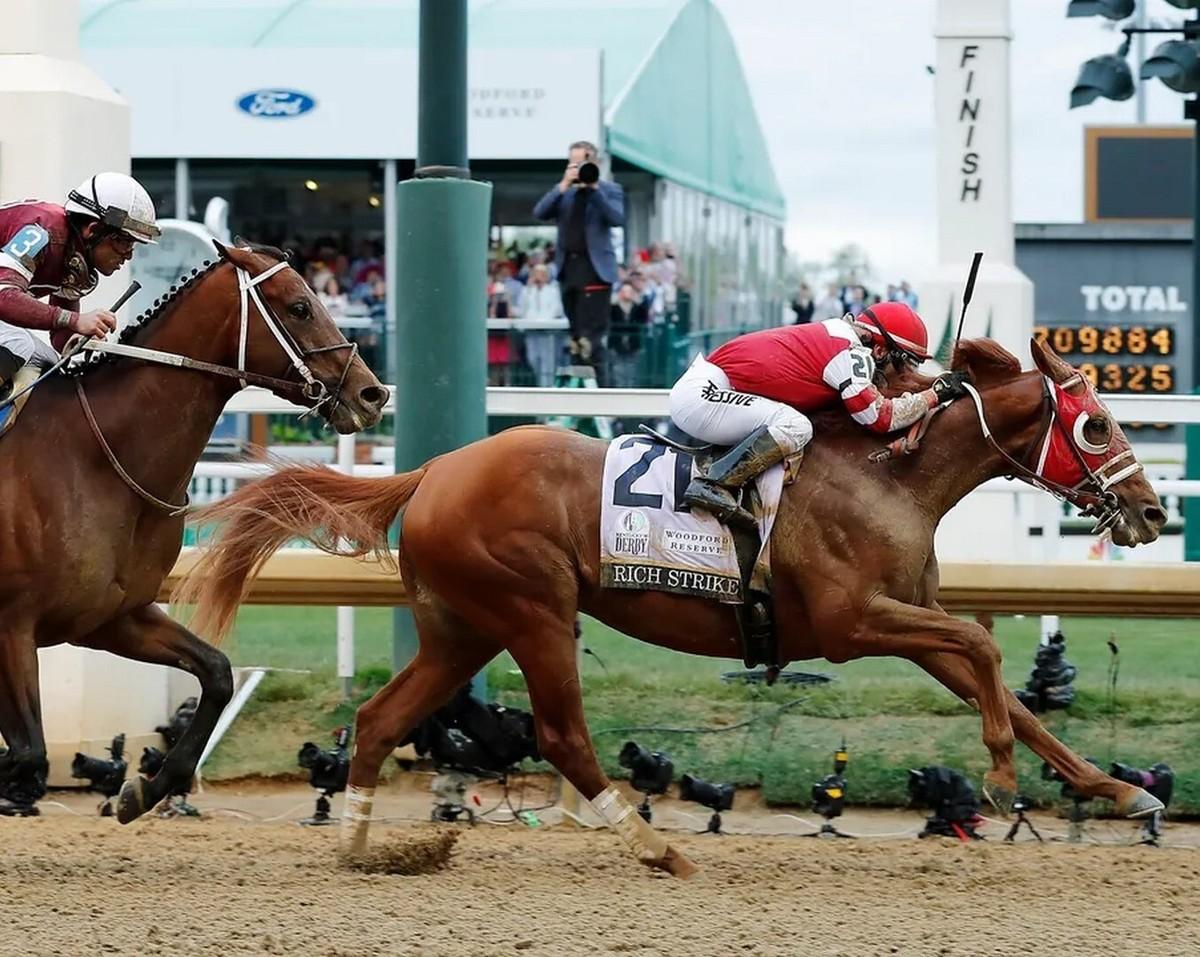
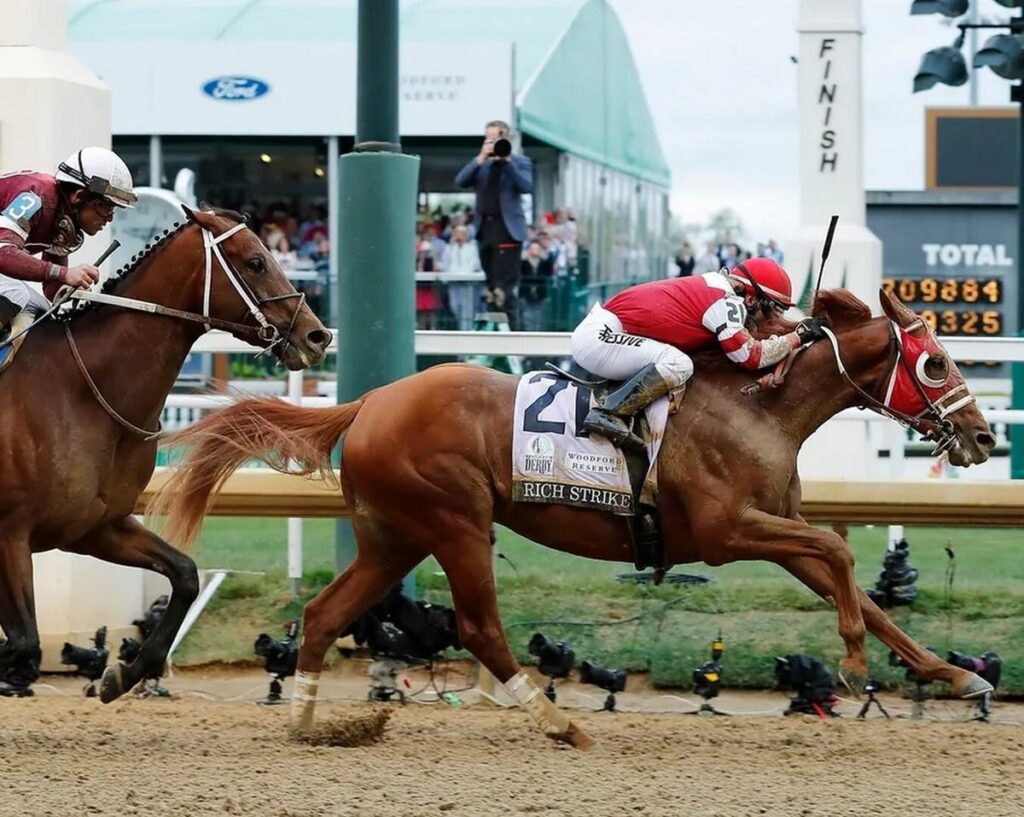
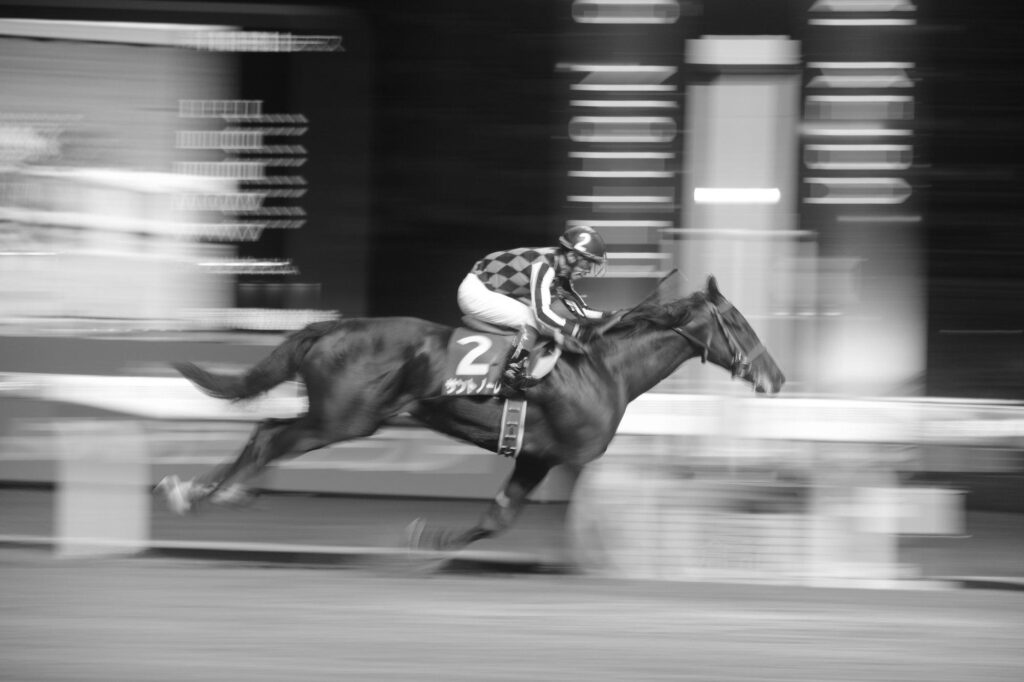
High shutter speeds can freeze a horse’s muscles and flying mane. Panning techniques can keep the horse relatively sharp while allowing the background to dissolve into motion. Wide compositions can place the horse within the landscape, while close-up images can turn an eye, hoof or expression into an abstract study.
Each approach tells a different story.
A frozen image communicates physical power.
A blurred background communicates speed.
A close portrait communicates personality.
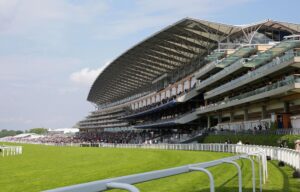
A wide shot communicates environment.
The photographer therefore becomes an interpreter rather than a passive observer.
The most memorable racing photographs often contain ambiguity.
A horse appears to hang momentarily above the ground.
A jockey’s face disappears behind motion.
Several horses merge into a single mass of colour.
The finishing line becomes almost invisible.
The photograph captures something that existed for less than a second, yet the viewer can study it indefinitely.
This gives racing photography an unusual relationship with time.
A race is temporary.
A photograph is permanent.
The photograph preserves not simply the result but a moment that spectators at the track may never have consciously seen.
There is also an aesthetic dimension to the sport that extends beyond action photography.
Morning training can produce extraordinary images. Empty tracks, mist, winter light and horses moving through quiet landscapes offer an entirely different visual vocabulary from a crowded race day.
The same sport can therefore produce two opposing photographic worlds.
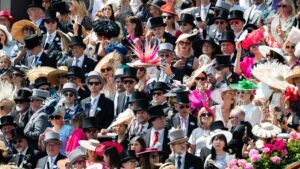
One is noisy, colourful and fast.
The other is quiet, restrained and contemplative.
Both belong to racing.
That range is precisely why horse racing deserves to be considered within the broader history of photographic art.
The photographer is not merely recording a sporting event.
They are deciding what racing looks like.