From Stable to Auction: The Racehorse and the Art of Collecting
The relationship between horse racing and collecting is deeper than it might initially appear.
Racehorse owners collect horses through breeding and acquisition. Art collectors collect paintings, sculptures and photographs. Both activities involve questions of provenance, reputation, rarity and value.
Historically, these worlds frequently overlapped.
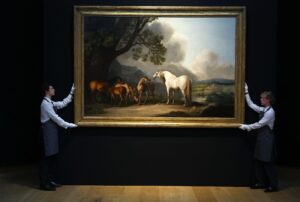
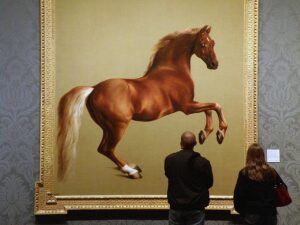
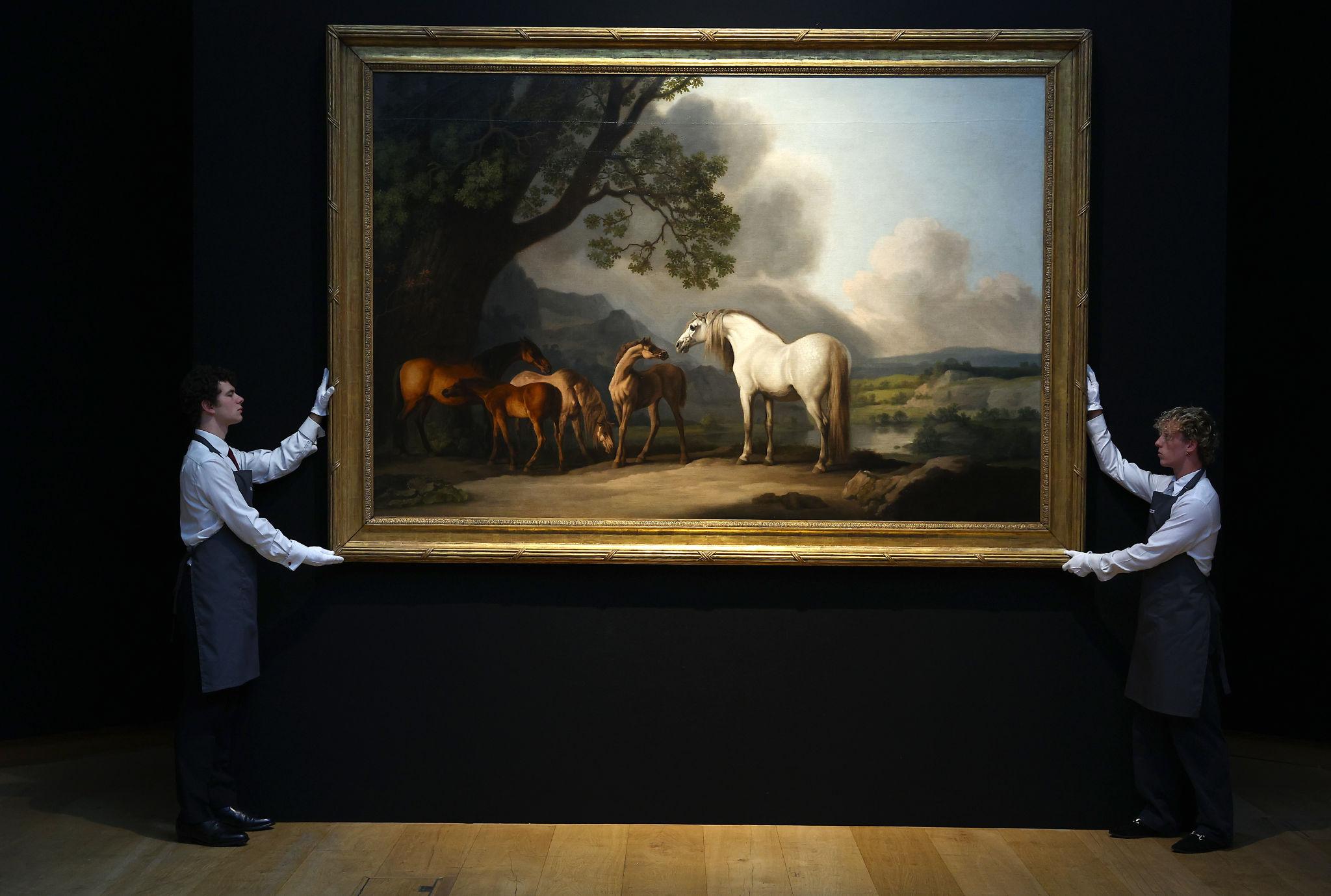
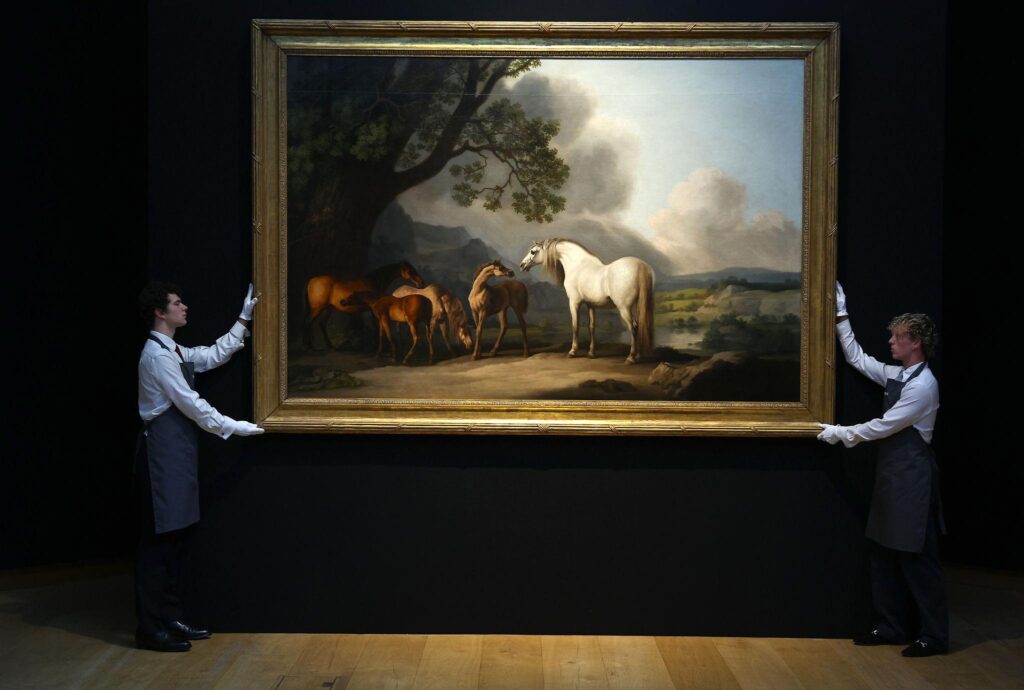
Artists such as George Stubbs received commissions from wealthy horse owners who wanted portraits of their prized animals. The resulting paintings could become part of country-house collections, where sporting pictures existed alongside portraits, landscapes and other works of art.
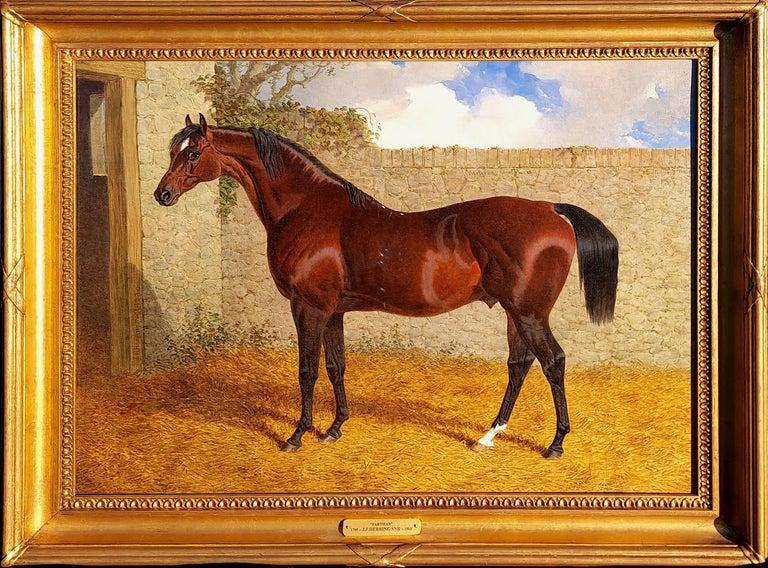
The horse portrait was therefore both personal and cultural.
It preserved the identity of an animal while documenting the wealth and interests of its owner.
Over time, some of these paintings acquired a significance far beyond their original purpose.
The racehorse might disappear from living memory, but the painting remained.
This creates an unusual form of historical preservation.
A painting can tell us what a famous horse looked like, who owned it, what kind of landscape surrounded it and how its owner wanted it remembered.
In this sense, sporting art can function almost like an archive.
The art market has recognised this significance.
Major equestrian works can command substantial prices, particularly when they combine artistic quality with important provenance and historical associations. Stubbs’s Gimcrack on Newmarket Heath, for example, became one of the artist’s most valuable works when it sold at Christie’s in 2011 for £22.4 million.
That figure is important not simply because it is large.
It demonstrates that paintings associated with horse racing can occupy the highest levels of the fine-art market.
The market also reveals how collectors think about horses.
They may collect sporting art because of an interest in racing, but they may also collect it because the works belong to larger artistic traditions.
Stubbs can be studied as an Old Master and animal painter.
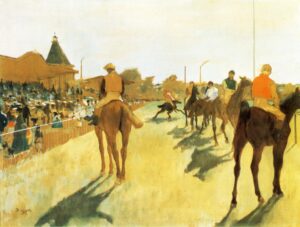
Degas can be studied as a major modern artist.
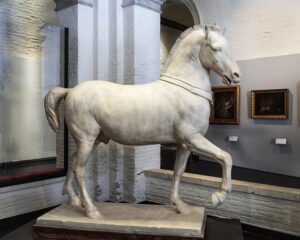
Equestrian works by other artists can belong to Impressionism, modernism, sculpture or contemporary art.
The horse becomes the common thread connecting otherwise very different artistic practices.
This is one reason the phrase “equestrian art” can be misleading if treated too narrowly.
It is not a single style.
It is a subject category that crosses periods, media and cultures.
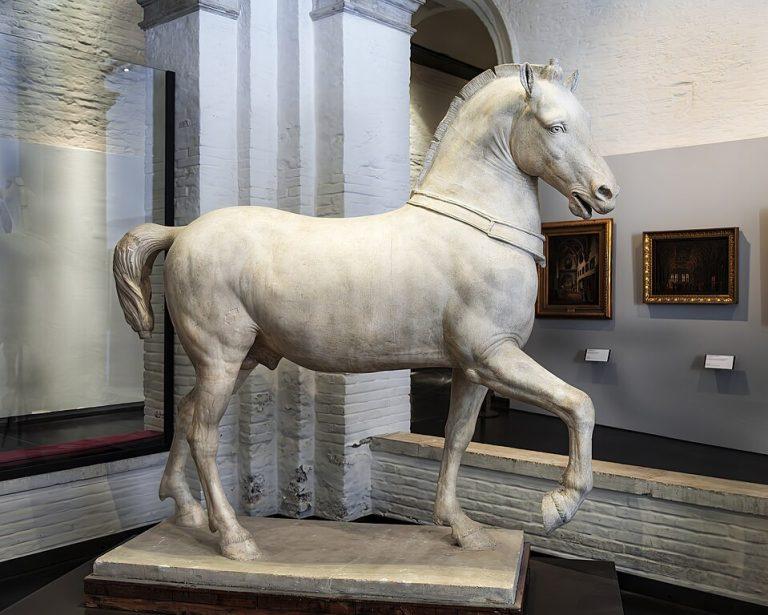
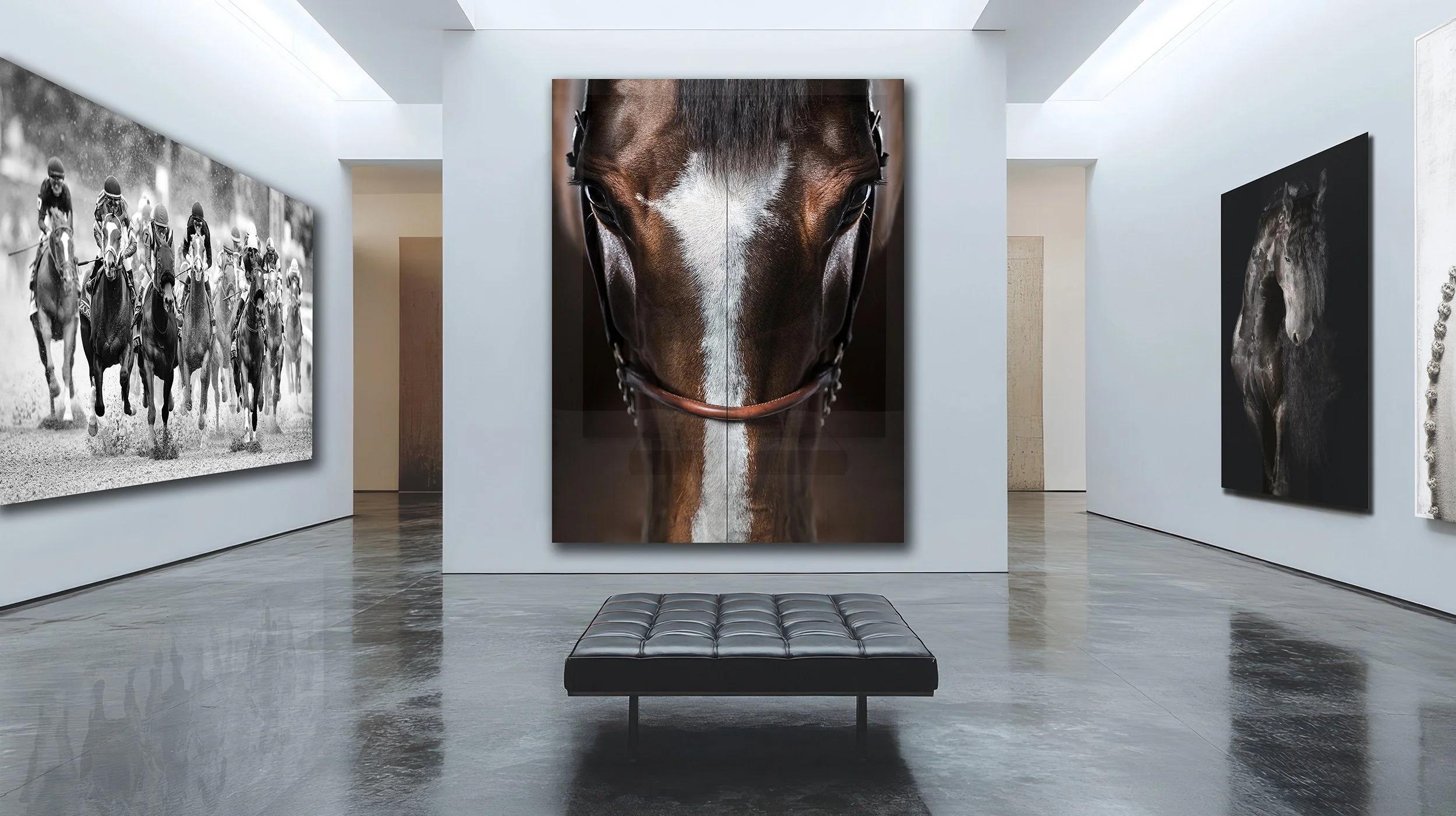
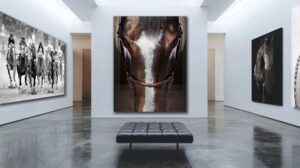
Christie’s Art of the Horse exhibition, for example, brought together paintings, drawings, photography, sculpture, jewellery and other objects to examine representations of the horse across cultures and historical periods.
The collecting history of racing art therefore raises a larger question.
Why do people want to preserve images of horses?
Part of the answer is memory.
A champion eventually ages and disappears. A race lasts minutes. A career lasts years.
An artwork can preserve the image indefinitely.
That is perhaps the deepest connection between horse racing and collecting.
Both are concerned with creating lasting value from something that is inherently temporary.
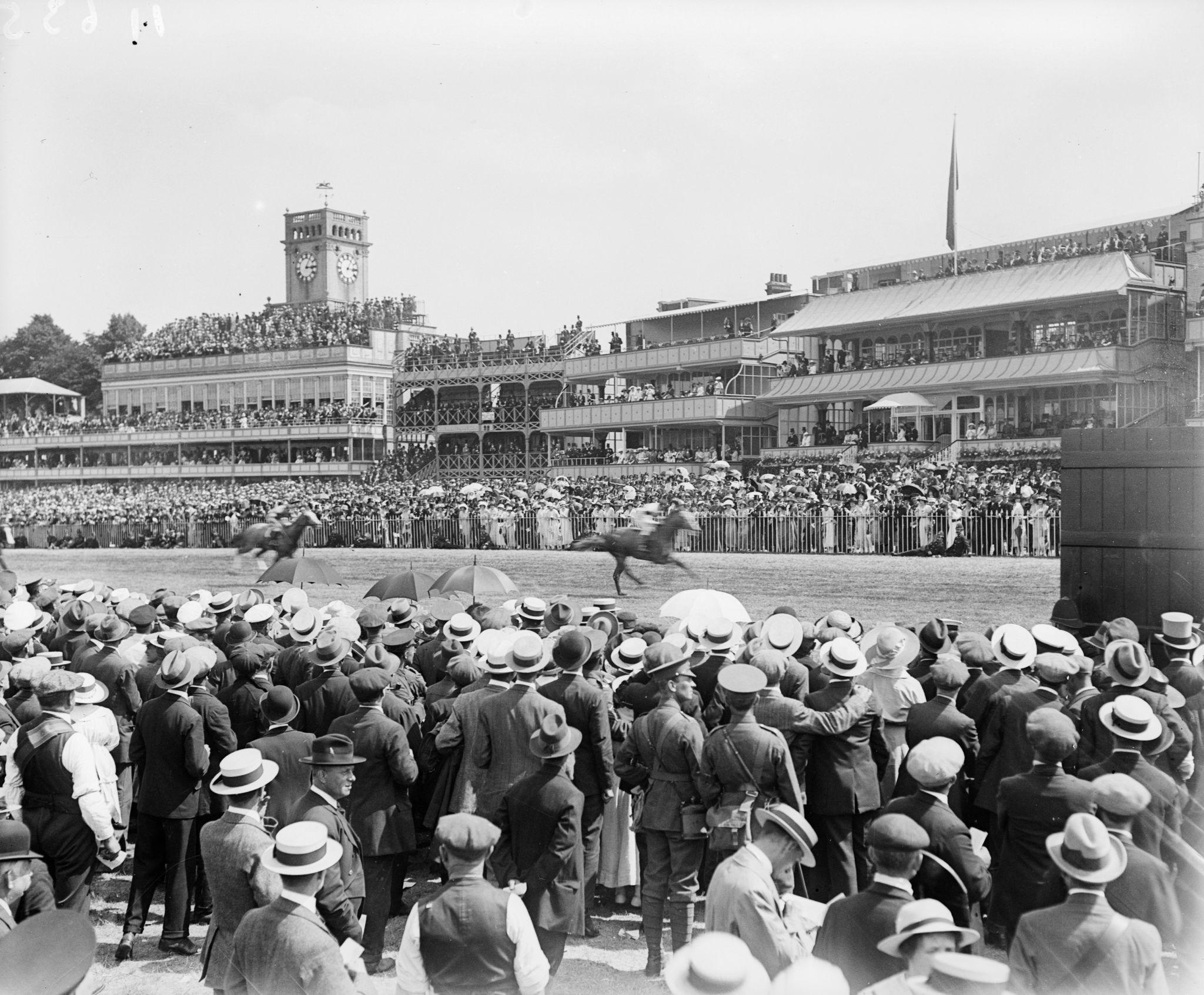
A race ends.
A horse’s career ends.
But the image remains.