Why the Horse Keeps Returning to Art
Few animals have occupied such a persistent place in human art as the horse.
Its appearance in cave imagery, ancient sculpture, royal portraiture, military art, sporting paintings and contemporary photography reflects something more complicated than simple admiration.
The horse has repeatedly represented the relationship between humans and power.
That is one reason horse racing fits so naturally into the history of art.
A racehorse is not simply an animal moving quickly.
It is the result of a long relationship between breeding, training, ownership, human ambition and animal ability. The race becomes a concentrated expression of that relationship.
Artists have repeatedly found this fascinating.
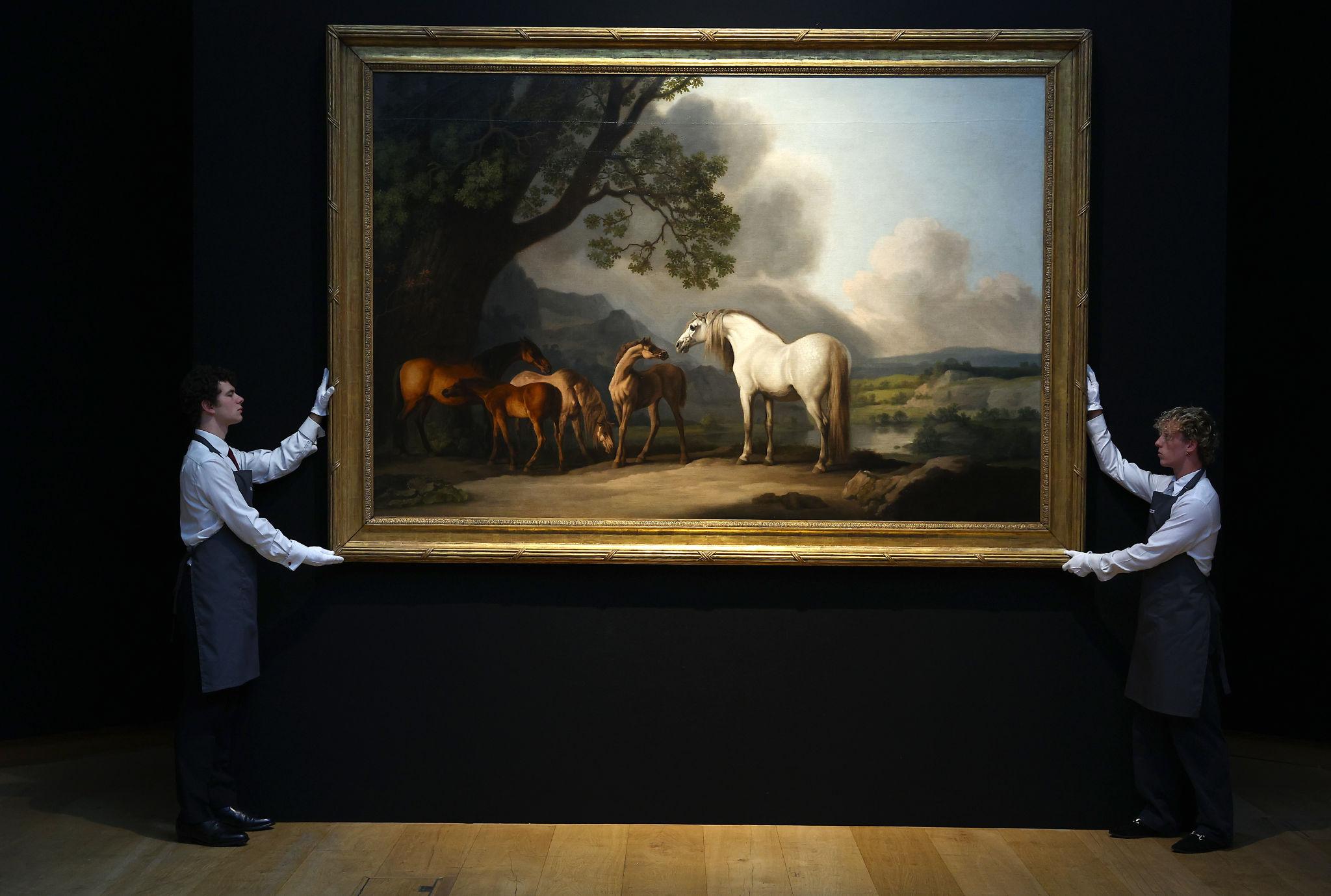
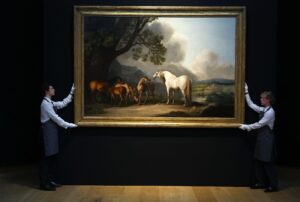
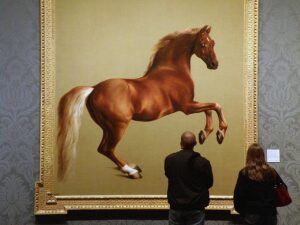
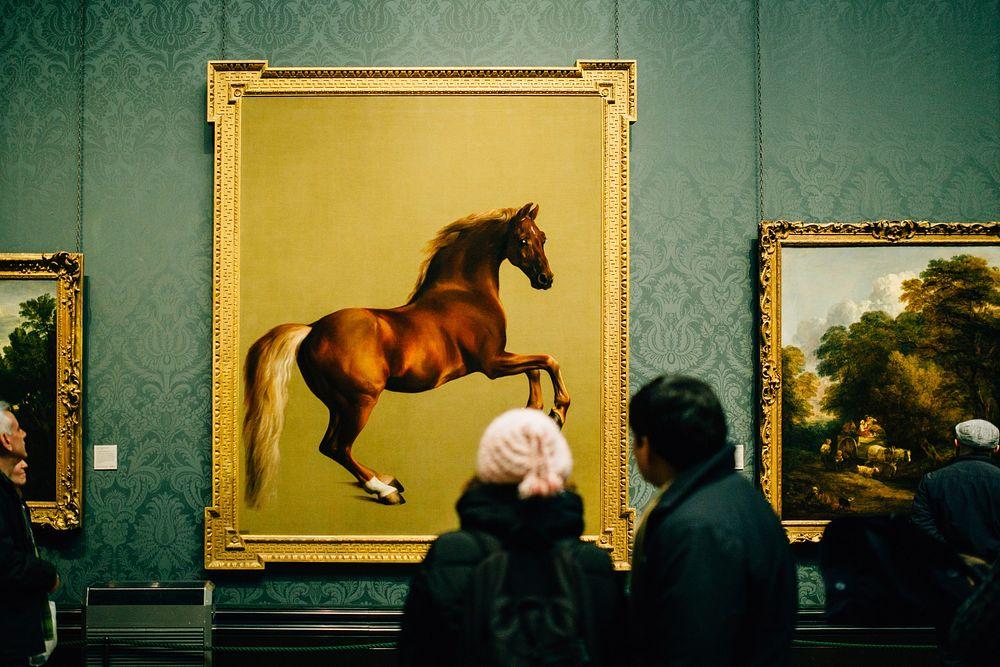
In eighteenth-century Britain, the development of the thoroughbred and the growing popularity of racing created a powerful market for equine portraiture. Artists such as George Stubbs painted horses for wealthy owners and breeders, helping establish sporting art as a significant genre.
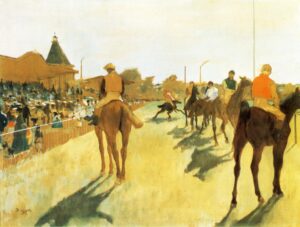
Later, Degas encountered racing through the modern city and approached it through the language of movement and observation. His horses and jockeys were not simply symbols of aristocratic wealth. They became components of a new visual investigation into modern life.
The horse therefore changes meaning depending on the artist and period.
For Stubbs, it could represent breeding excellence and patronage.
For Degas, it could represent movement and modernity.
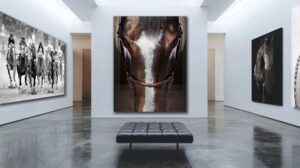
For a photographer, it can become an investigation into speed.
For a contemporary artist, it might represent questions about commerce, animal-human relationships or social status.
Yet something remains constant.
The horse has an extraordinary physical vocabulary.
Its muscles communicate movement.
Its posture communicates mood.
Its size communicates power.
Its relationship with a rider communicates cooperation and control.
Few animals offer artists such a combination of physical beauty and symbolic possibility.
Horse racing intensifies all of these characteristics.
The racehorse is bred for a specific purpose. Its body is shaped by generations of selective breeding. Its movement is trained. Its performance is measured. Its achievements are recorded.
The animal becomes both individual and statistic.
That contradiction is artistically fascinating.
A famous racehorse can be celebrated as an individual personality while simultaneously being reduced to times, victories, breeding records and financial value.
Art can resist that reduction.
A painting does not need to tell us how fast a horse ran.
A photograph does not need to provide its racing statistics.
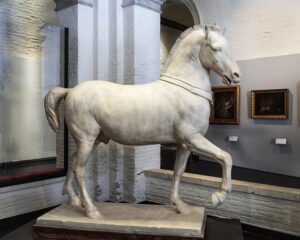
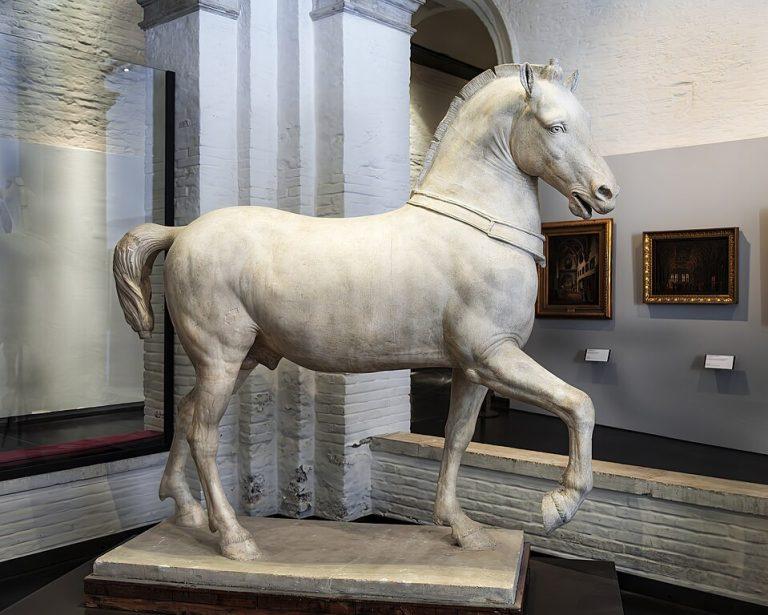
A sculpture does not need to explain its pedigree.
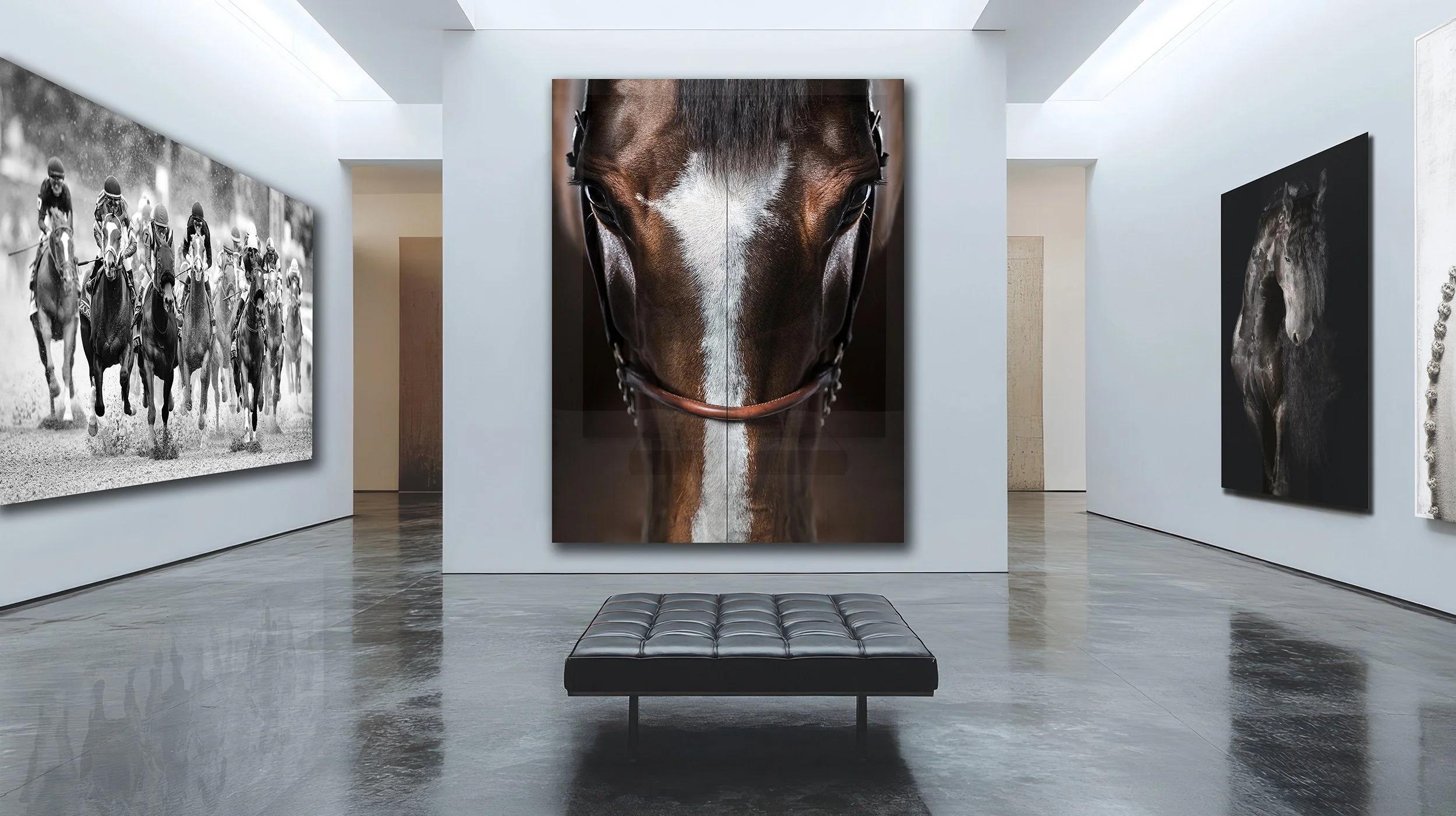
Instead, these forms can return attention to the physical animal.
This may explain why equestrian art continues to survive even in an era dominated by digital imagery.
The horse remains visually compelling because its essential qualities have not changed.
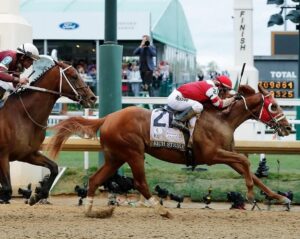
A galloping thoroughbred still creates an extraordinary silhouette.
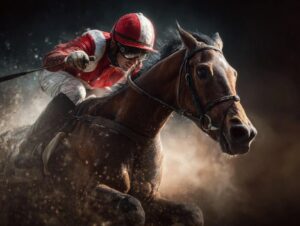
A jockey still creates a striking human-animal composition.
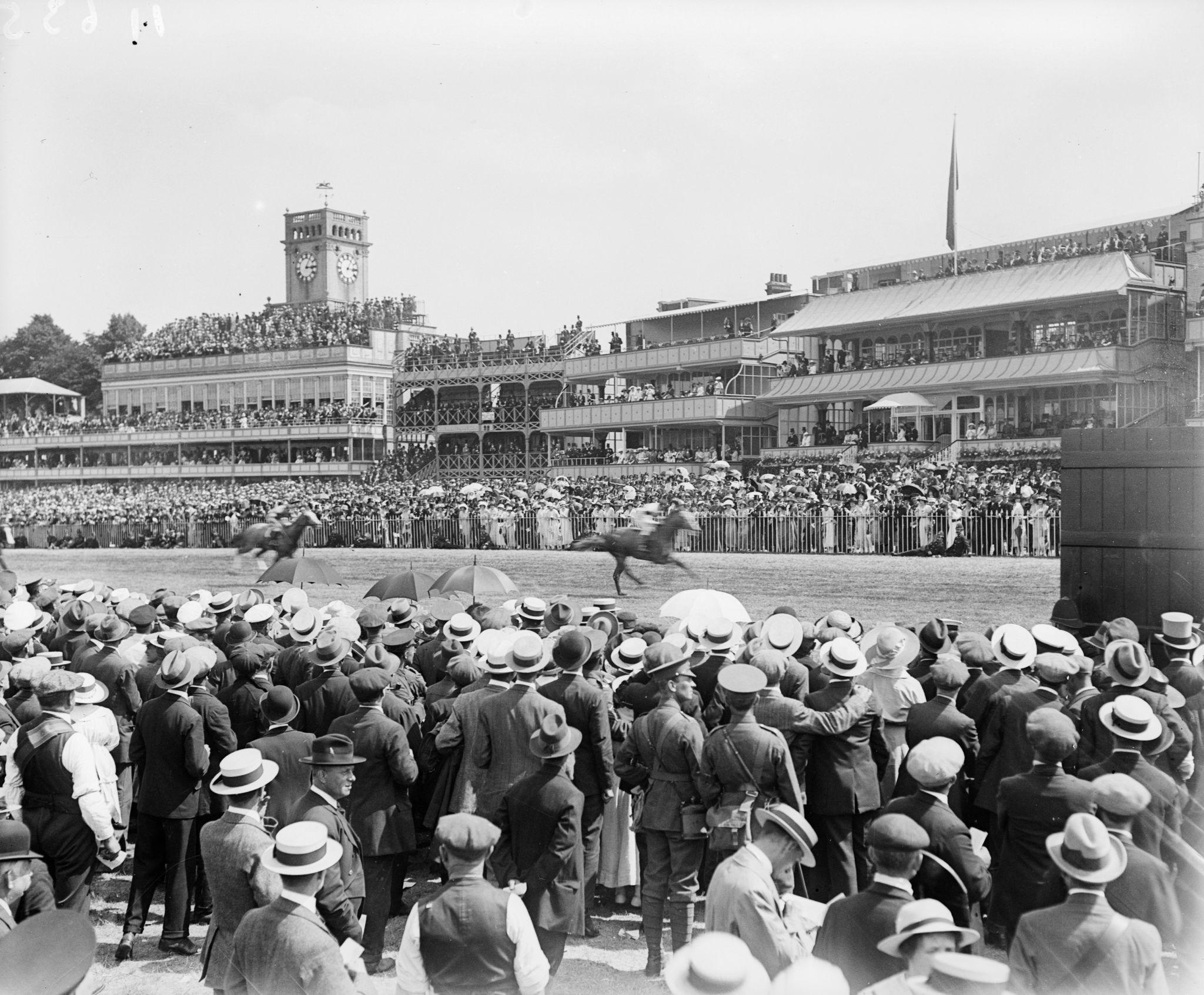
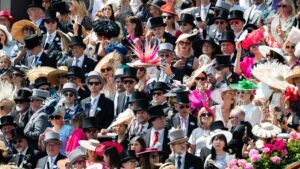
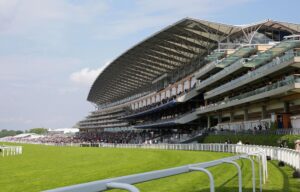
A crowded racecourse still produces an unusual mixture of colour, movement and architecture.
And a quiet horse standing alone can still command attention.
The horse keeps returning to art because it keeps offering artists something that is difficult to reduce to words.
Speed.
Grace.
Power.
Fragility.
And the complicated boundary between nature and human culture.
Horse racing simply happens to place all of those ideas on the same stage.